
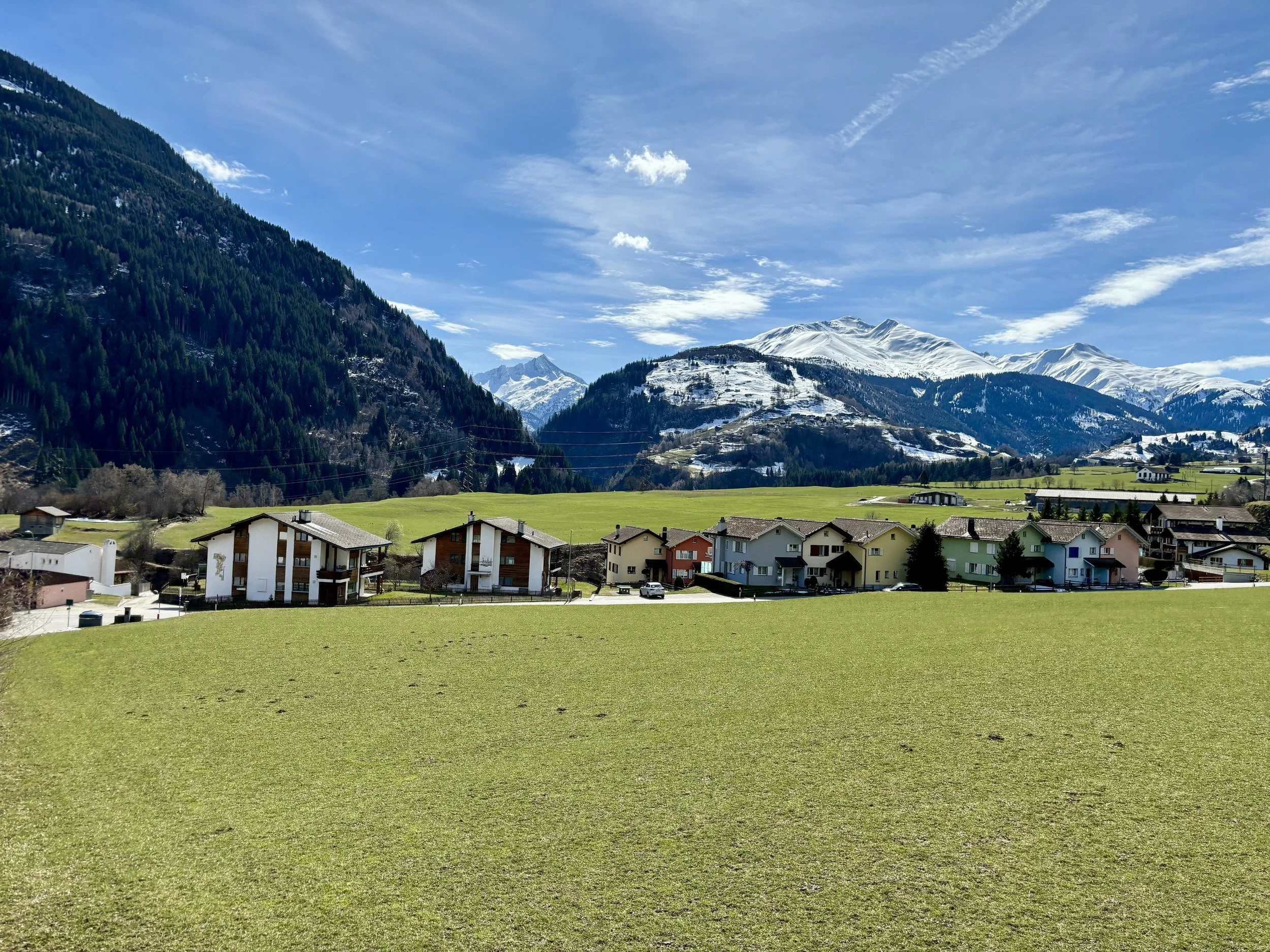

6 Must Visit Villages in Switzerland
July 2026
Please Note: This post contains affiliate links, meaning if you book through them I may earn a small commission, at no extra cost to you.
Switzerland is a country full of places that look straight from a postcard; with snowy mountain peaks, lush green meadows or glistening turquoise lakes, the backdrop for many of its charming villages. There are so many beautiful villages and towns in Switzerland, each with their own charms, but in this guide I cover 6 villages which are my favorite from those I have personally visited.
Rather than keep the suspense any longer, here are my 6 must visit Swiss villages:
Grindelwald, Lauterbrunnen, Montreux, St.Moritz, Zermatt and Interlaken.
Practical Planning Tips for Switzerland:
Before buying your train tickets, it is worth pricing an Interrail Pass, or, a SwissPass, where you can buy multi-day tickets that cover all rail travel in the country, and most buses and boats. (For my trips it worked out cheaper to buy an Interrail Pass than to purchase each train ticket individually). Note though, for the panoramic train journeys such as The Glacier Express and Bernina Express, while a pass will cover your ticket fare, you will still need to purchase a seat reservation. I've covered these trains in a dedicated post on ‘Switzerland's Most Scenic Train Journeys’.
If you do purchase an Interrail Pass or Swiss Pass, you also need to ensure you activate the pass for each day of travel before boarding the train to avoid any penalties from the ticket inspectors.
Have your passport with you as the train inspectors often ask to see proof of ID alongside your ticket.
Download the SBB Mobile app to check train times on your days of travel and for real time updates.
Trains in Switzerland are very punctual, frequent, and connect even small mountain villages, making traveling around the country a breeze.
A more general Switzerland tip, that caught me out, is, Switzerland has a different electrical outlet to the rest of mainland Europe. The electrical outlet is a Type J socket, so you will need an appropriate adapter, such as this one.
The currency in Switzerland is the Swiss Franc (CHF) but card is widely accepted and I didn’t come across anywhere on my travels that specifically required cash.
What is the Best Time to Visit Switzerland?
I think every season has something unique to offer and the best time to visit depends on what you want to get out of your trip.
Summer (June - September) is best for hiking, lake swimming and adventure sports such as paragliding. During this time there are also longer operating hours and less weather related disruptions to the cable car/gondola services (e.g. to Matterhorn Glacier Paradise).
Winter (December - March) is best for skiing, snowboarding and other winter sports such as tobogganing. Or, if you are not hitting the slopes but simply want to enjoy the snowy scenery, then winter provides its own kind of magic.
Shoulder season (April/May or late September) offers both quieter hiking trails and scenic train rides, and in general avoids the peak crowds.
Note during October and November, there may be more restrictions on trains etc. for example: The Glacier Express typically stops running around mid October and restarts in early December, so if planning on traveling during this time check latest timetables before booking your trip.
1) Grindelwald
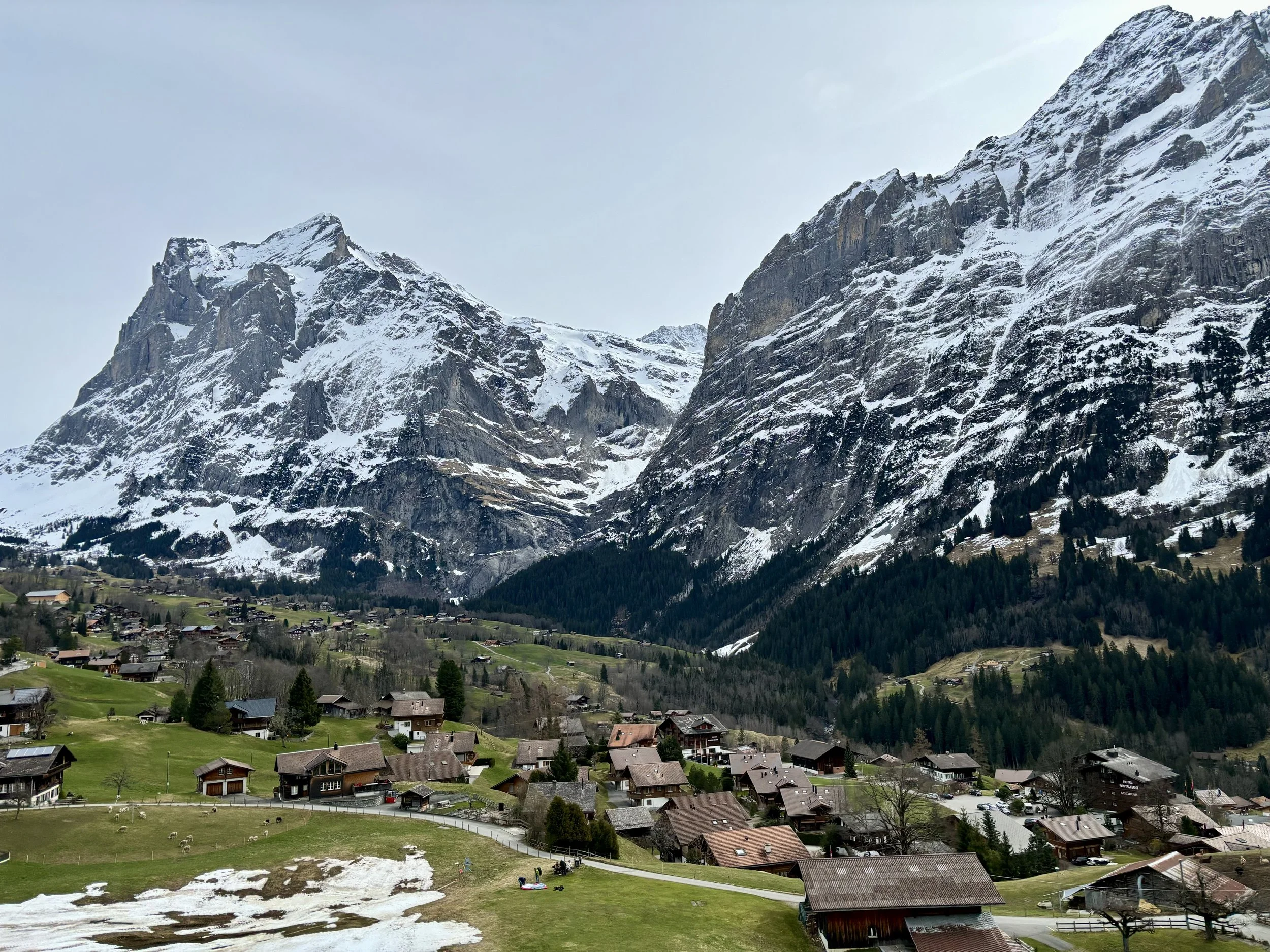
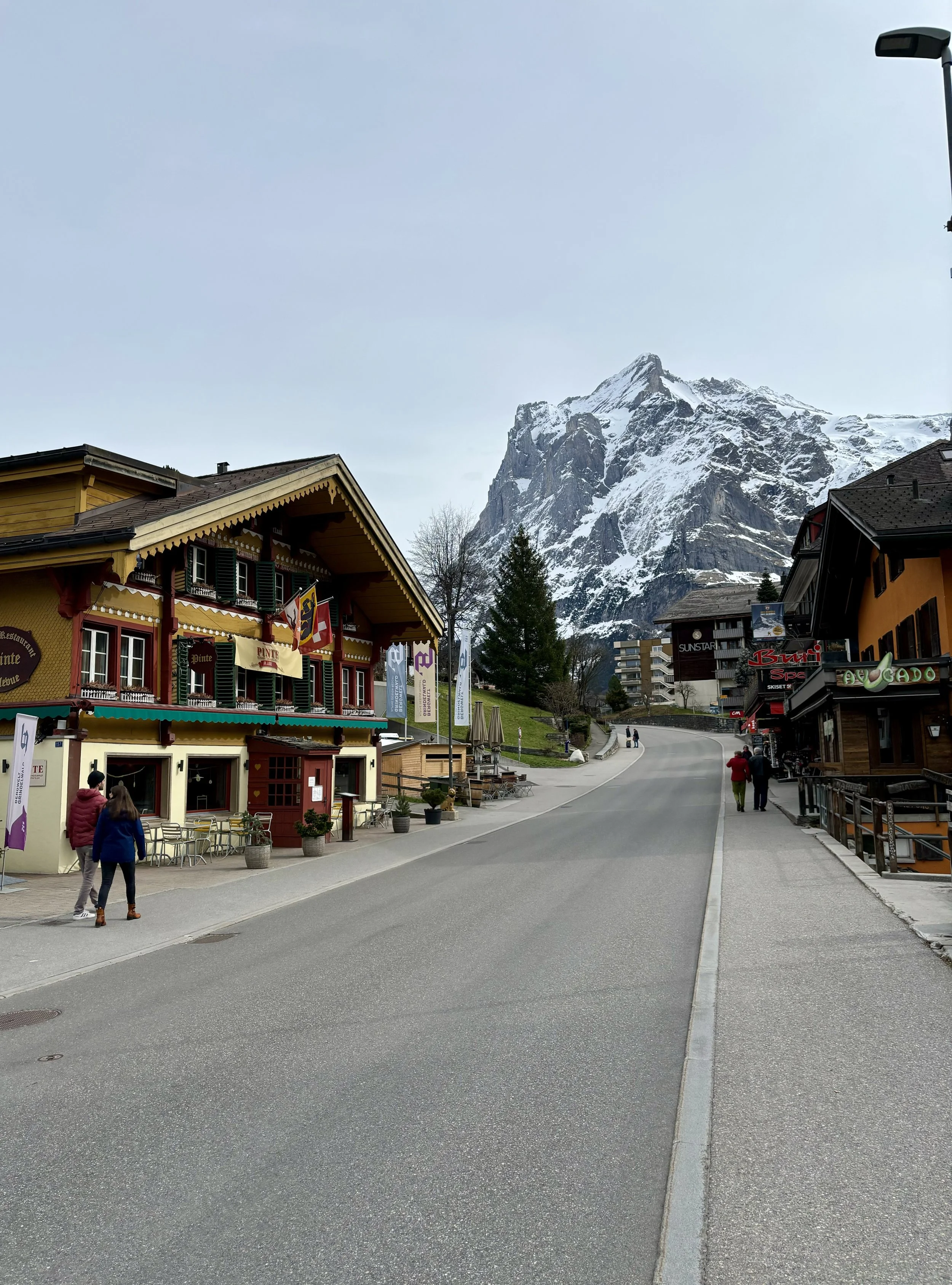
Grindelwald is an alpine village set at the foot of the dramatic Eiger mountain. It is a quaint village and an ideal place to slow down and soak up the quieter way of life.
The village of Grindelwald is also the gateway for iconic mountain adventures such as Grindelwald First, and, Jungfraujoch ‘Top of Europe’.
What Adventures are on Offer at Grindelwald First?
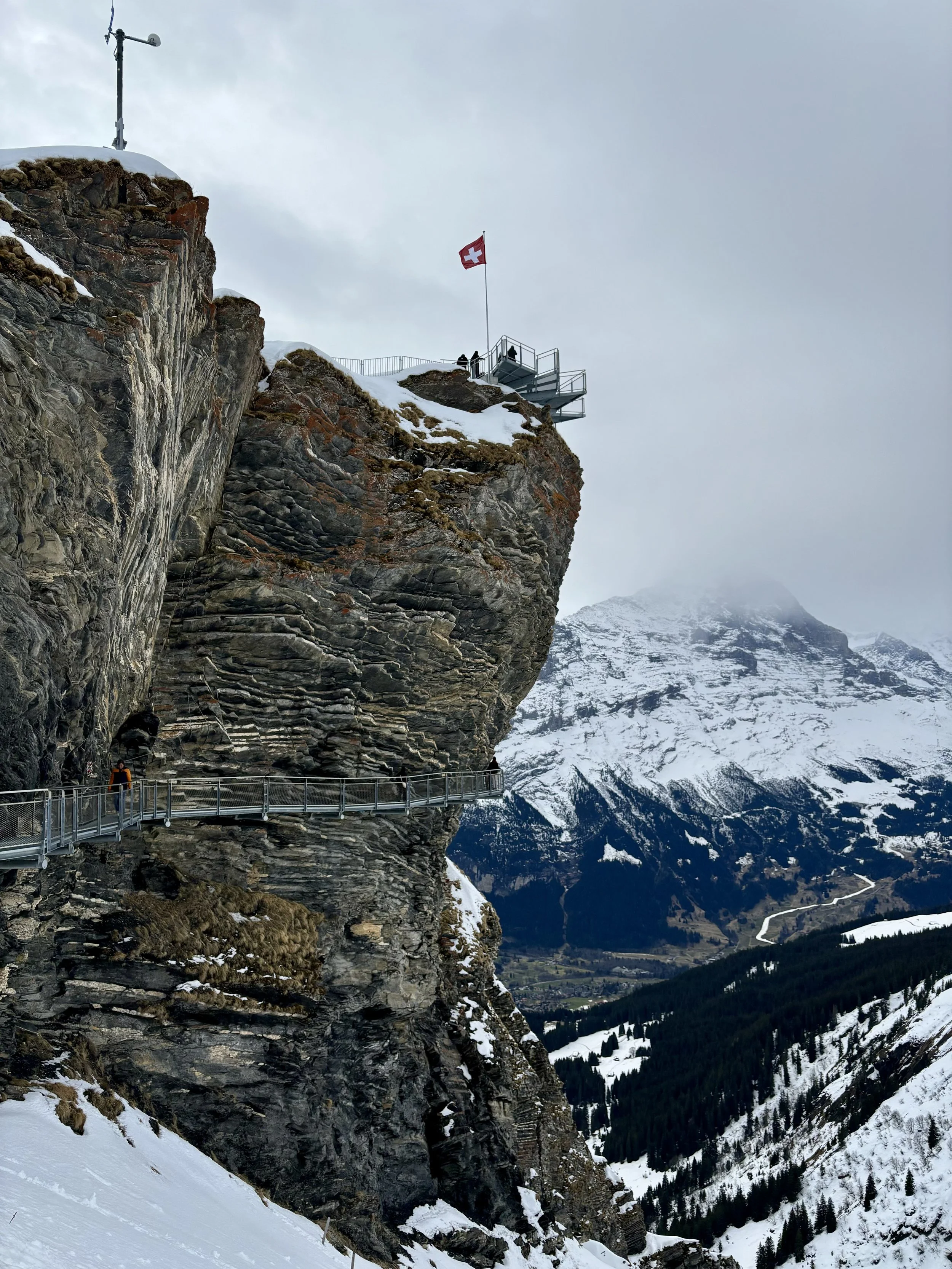
If you fancy an adrenaline rush, combined with panoramic views, Grindelwald First offers adventure activities including: the First Cliff Walk presented by Tissot, and, the First Flyer Zipline.
I choose the First Cliff Walk, which was thrilling, in a good way! You walk along a metal path installed on the sheer rock face, over 2,000 meters above sea level. At one point, you go out onto a viewing platform completely suspended and extending 45 meters from the cliff edge into thin air. From this platform, you get great views of the dramatic Eiger North Face and a different perspective of the charming village of Grindelwald. I highly enjoyed this activity and would recommend if you are daring, but advise a strong caution for anyone afraid of heights.
How to Reach Grindelwald First?
Grindelwald First is reached by cable car/gondola in just 25 minutes from the First Aerial Cableway station in Grindelwald village.
What Adventures are on Offer at Jungfraujoch ‘Top of Europe’?
I did not go up Jungfraujoch, as I had already visited the Matterhorn Glacier Paradise in Zermatt (see more on this below), and I choose to do Grindelwald First, with the Cliff Walk instead. You could of course do them both/all if you wanted. From what I have heard from others, the journey to Jungfraujoch ‘Top of Europe’ is an adventure in itself. The journey involves both a cable car/gondola ride onboard the Eiger Express and a cogwheel train ride to Europe’s highest railway station at 3,454 meters.
Once at the top, you can visit the Sphinx Observatory and the Ice Palace, a palace carved from ice and filled with ice sculptures.
How to Reach Jungfraujoch ‘Top of Europe’?
Jungfraujoch ‘Top of Europe’ is reached by first taking the Eiger Express gondola from Grindelwald Terminal, and, then a cogwheel train onwards to the top.
Where to Stay in Grindelwald?
I stayed at Hotel Glacier, a boutique hotel located a short walk downhill from the main street of the village into the valley. For me, the hotel was the perfect base for my few days in Grindelwald, from the views of the countryside in the breakfast room, to the small touches like the Welcome drink, and the personal highlight: soaking in the outdoor hot tub with an uninterrupted view of the mountains during the day and starry skies at night, it’s hard to beat.
Where to Eat in Grindelwald?
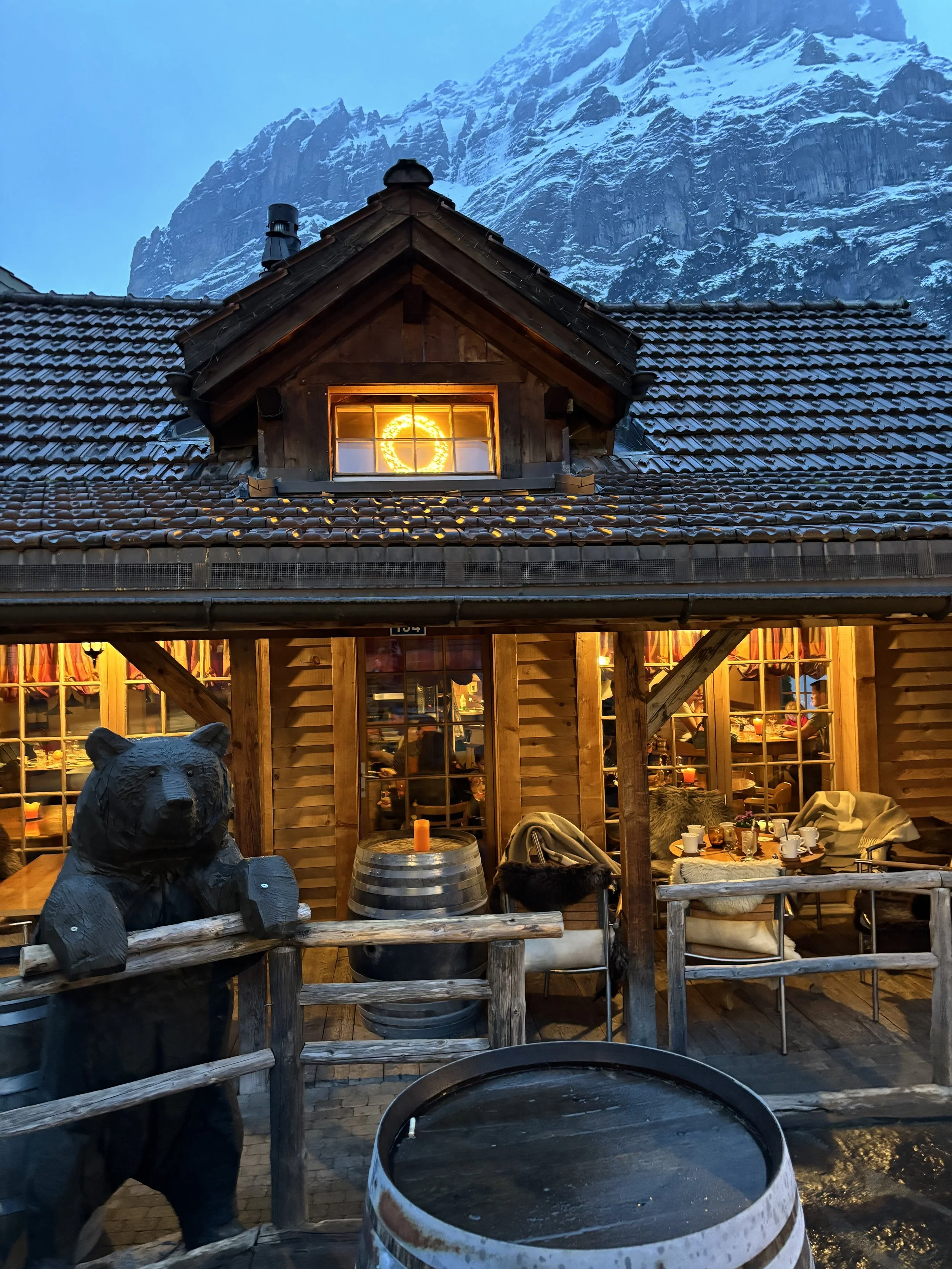
For dinner, Onkel Tom's, is worth checking out. It is set in a wooden cabin, is popular yet maintains a cosy atmosphere and serves tasty pizza.
How to Reach Grindelwald?
From Zurich HB, it’s around 2 hours and 40 minutes by train, with at least one change required.
From Interlaken Ost, it’s around 30 minutes by train.
From Zermatt, it's around 3 hours by train.
How Long to Spend in Grindelwald?
2–3 days, to comfortably fit in one or both of: Grindelwald First, and, Jungfraujoch ‘Top of Europe’; plus a day trip to Lauterbrunnen (the next village on this list), and time to simply enjoy the setting.
Practical Tip:
Consider going early in the day to Grindelwald First and Jungfraujoch ‘Top of Europe’ as queues build up fast, especially around midday.
2) Lauterbrunnen
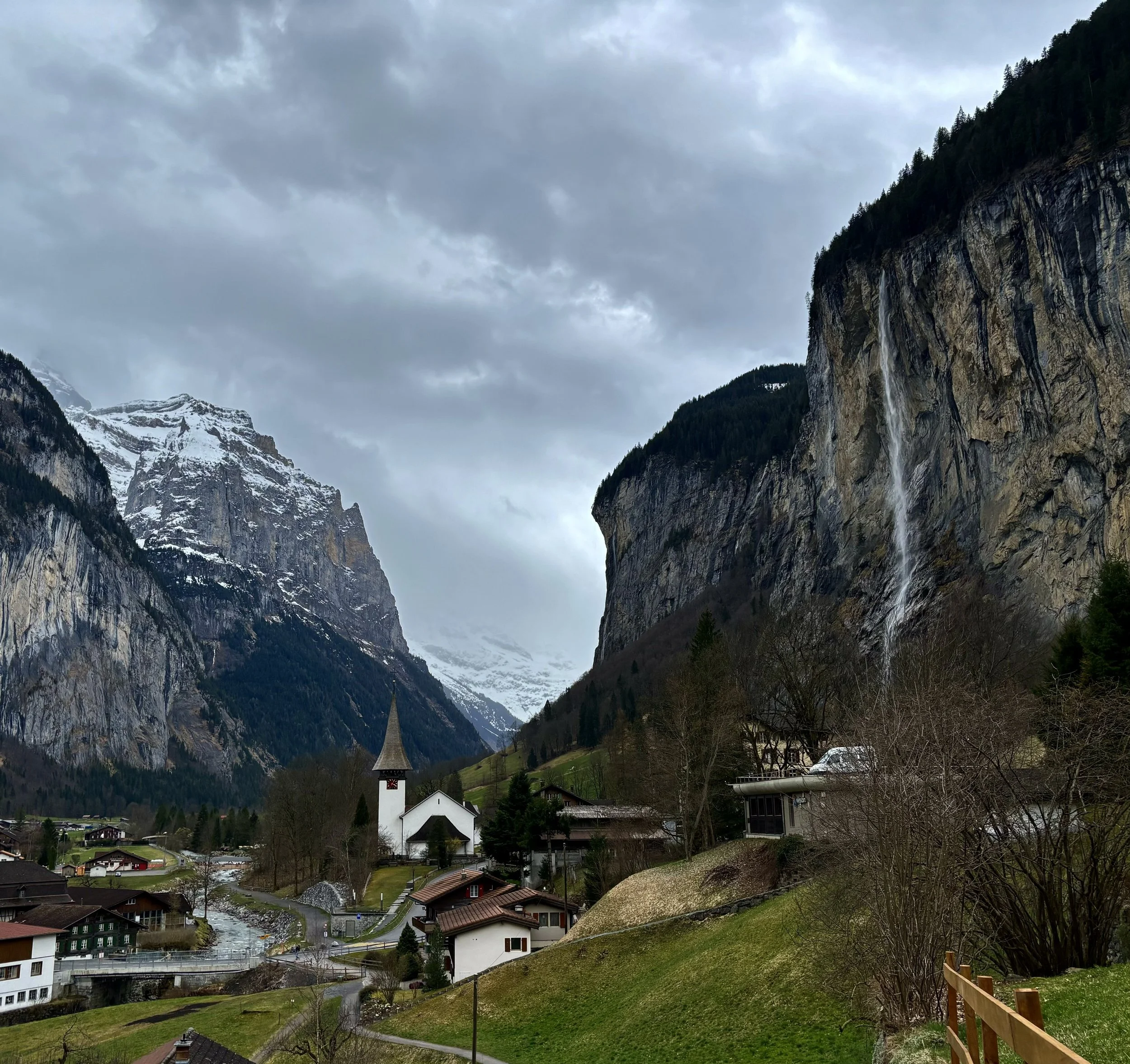
Despite only visiting on a day trip from Grindelwald, Lauterbrunnen deserves a place of its own on this list.
A short journey from Grindelwald (approx. 40 minutes by train), Lauterbrunnen is set in a valley so dramatic it inspired Tolkien's Rivendell.
Lauterbrunnen gets its name from the 72 waterfalls that are found in the valley, with Lauterbrunnen translating to ‘loud springs’.
The highlight is Staubbach Falls, a 300 meter high waterfall cascading over the vertical rock face into the valley below. It is a postcard perfect backdrop to the village of Lauterbrunnen.
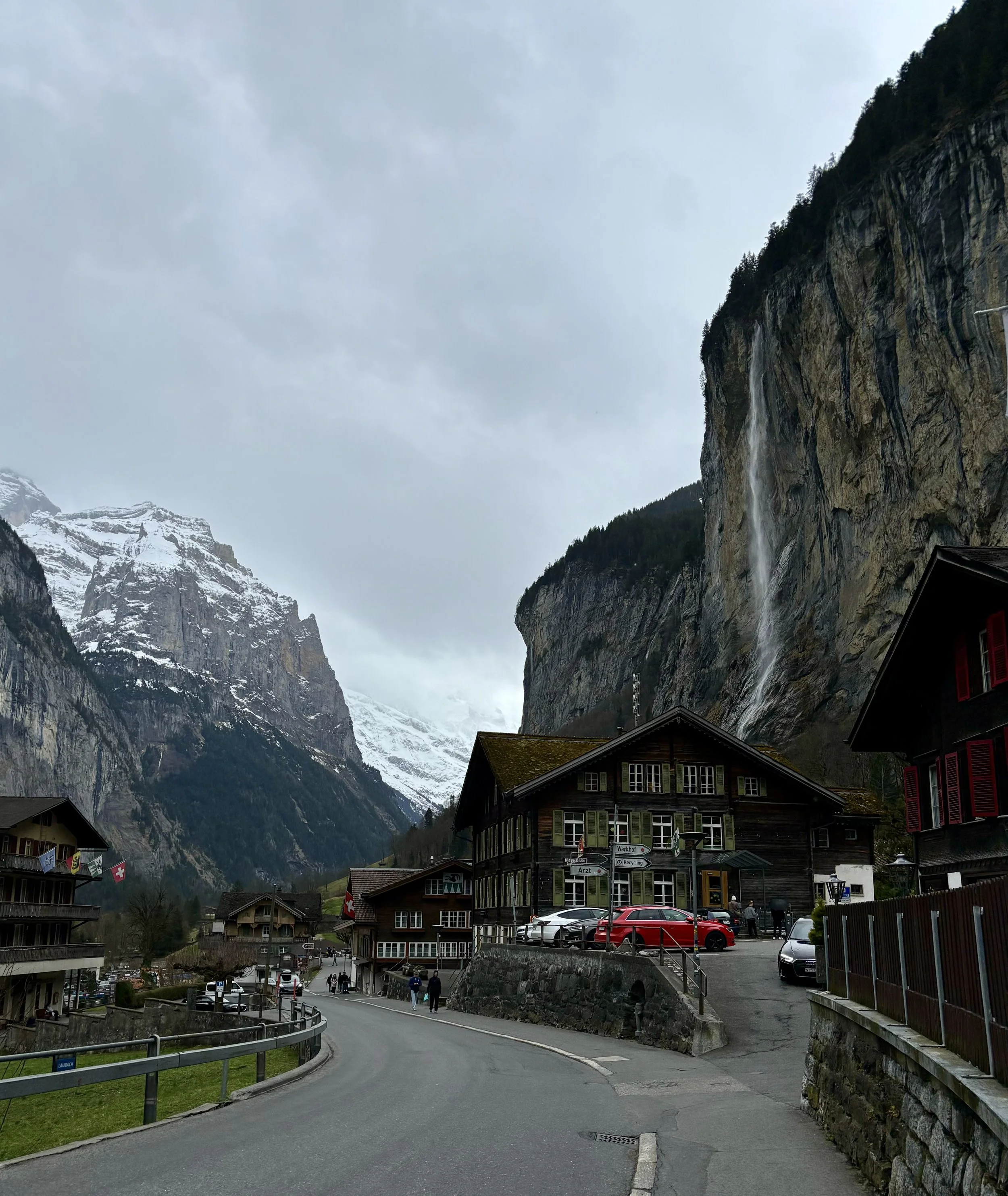
I visited in March and the walkway to visit the glacier Trümmelbach Falls and other waterfalls was closed. It hadn’t opened for the season so keep this in mind when planning your trip (at the time of writing information suggests it is open from May to October).
You can also take a cable car to the car free mountain villages of Mürren and Wengen, set on the cliff edges above Lauterbrunnen and offering panoramic views of the valley below.
How to Reach Lauterbrunnen?
As mentioned above, it’s approx. 40 minutes by train from Grindelwald.
From Interlaken Ost, it’s approx. 20 minutes by train.
3) Montreux
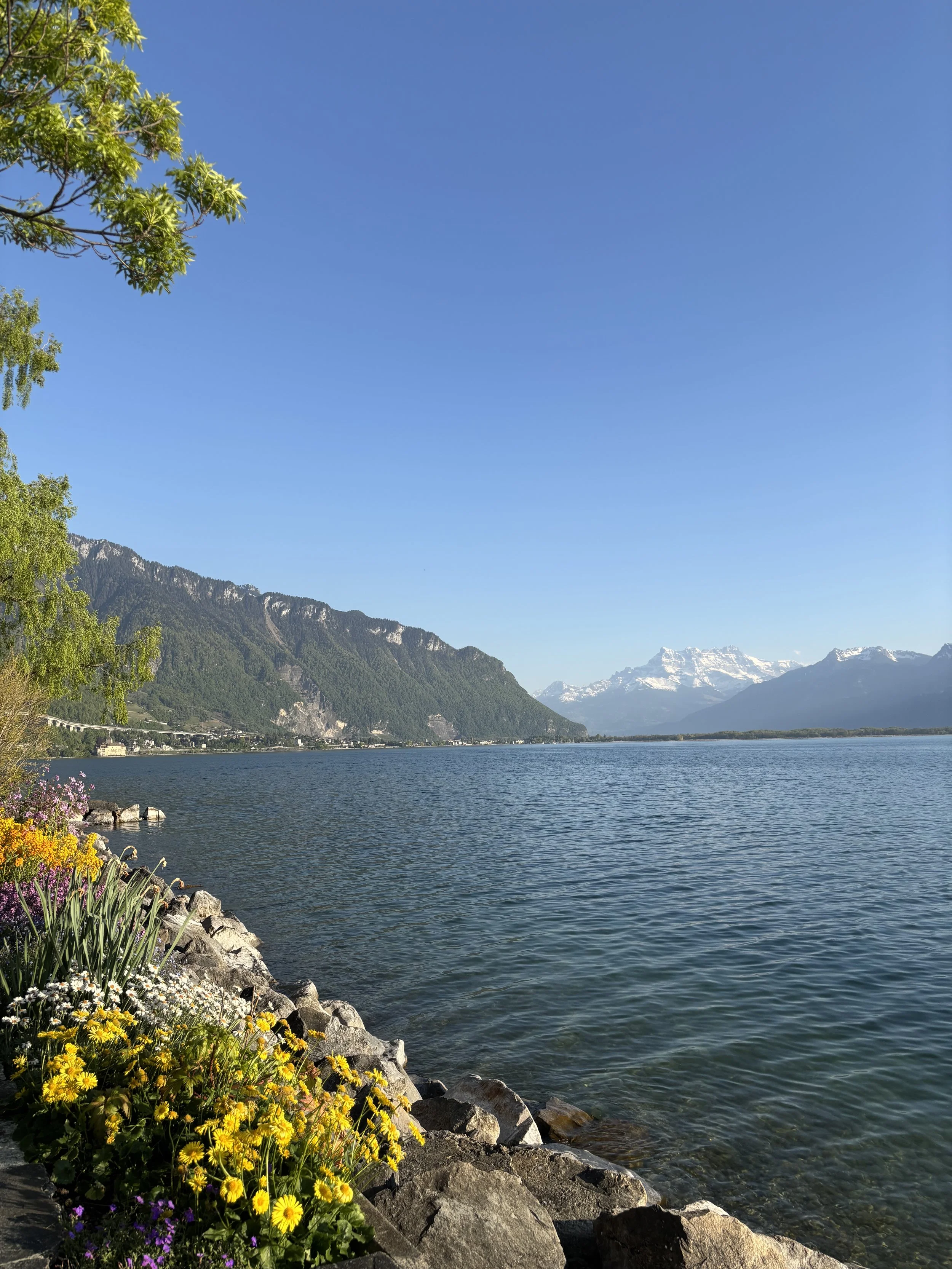
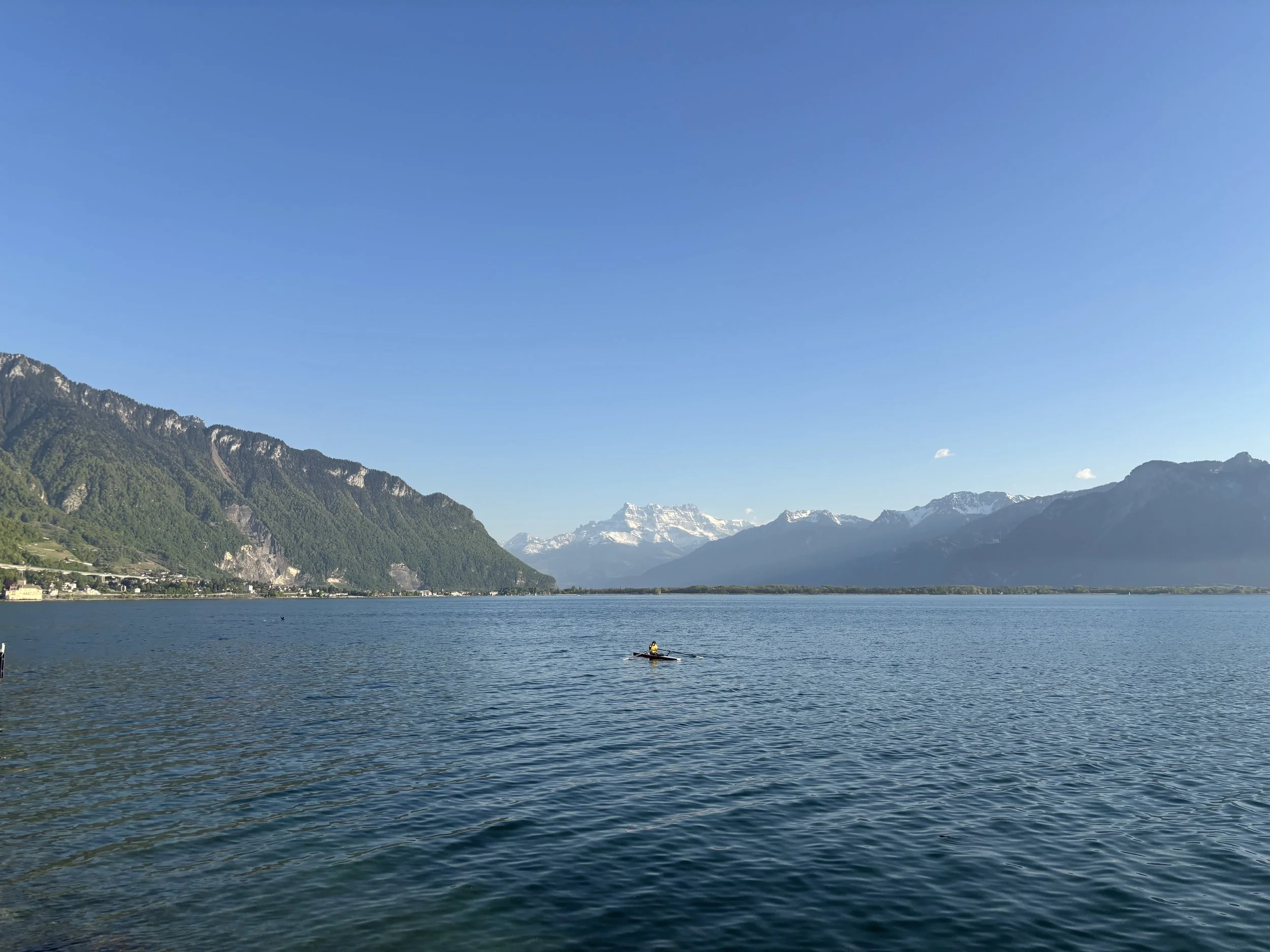
Montreux is a lakeside town on the beautiful Lake Geneva, with flower beds, palm trees, and grand hotels lining the lakeside, and the Alps rising up right behind them and across the lake.
What to do in Montreux?
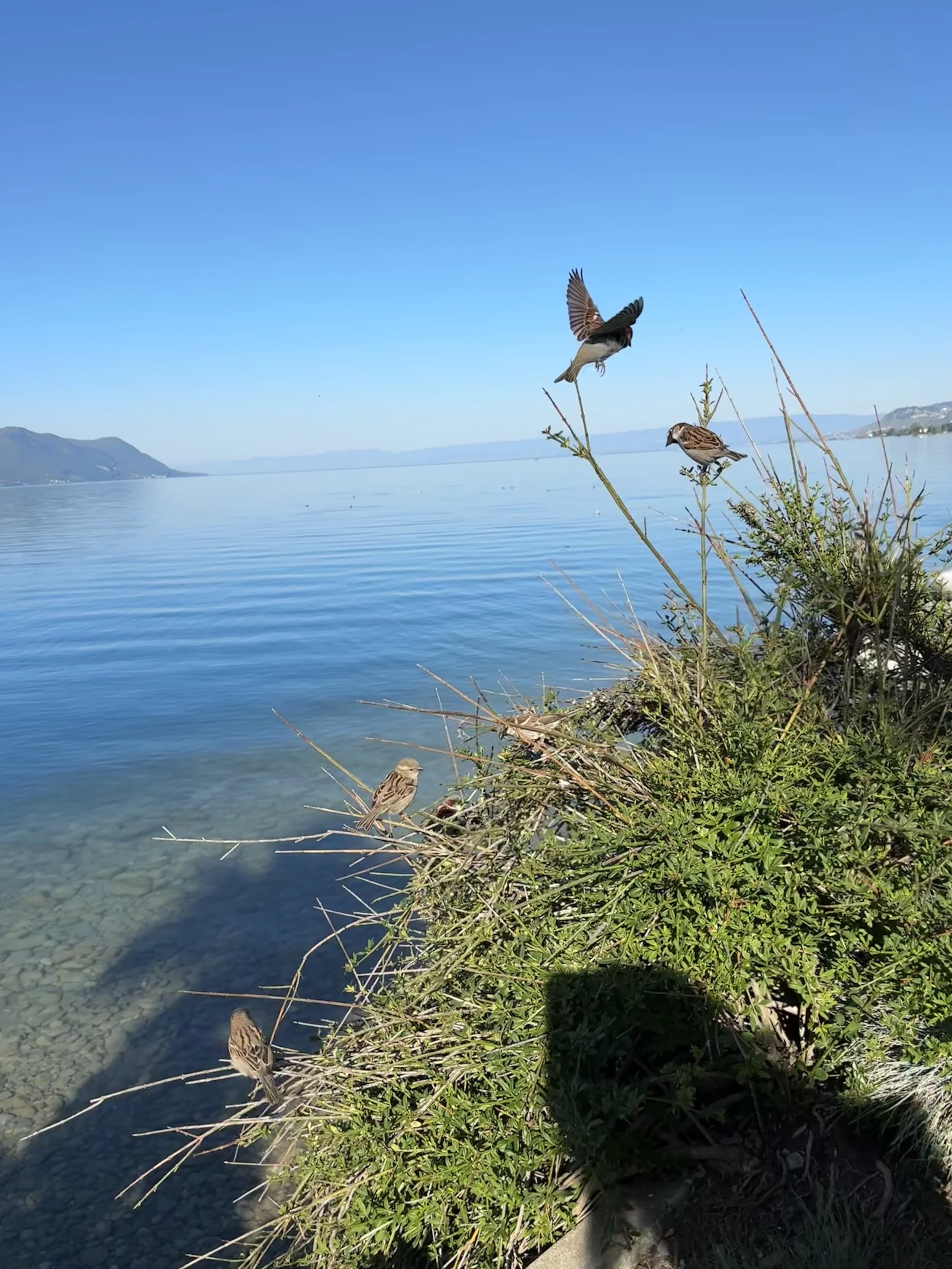
A lakeside promenade runs right along Lake Geneva and is the perfect place for a stroll with the views of the Alpine mountains. You might also spot some swans and ducks on the lake, together with some people out in kayaks. It is also a perfect place to watch the sunset, the sun glistening on the lake as it sets, before the sky changes colour.
If you are a Freddie Mercury fan, there is a life sized bronze statue of the artist towards the centre of the promenade.
Further along the lake sits the medieval Chillon Castle, Switzerland's most-visited historical building, perched right on the water. You can take a tour of the castle for CHF 15 (prices correct at time of writing).
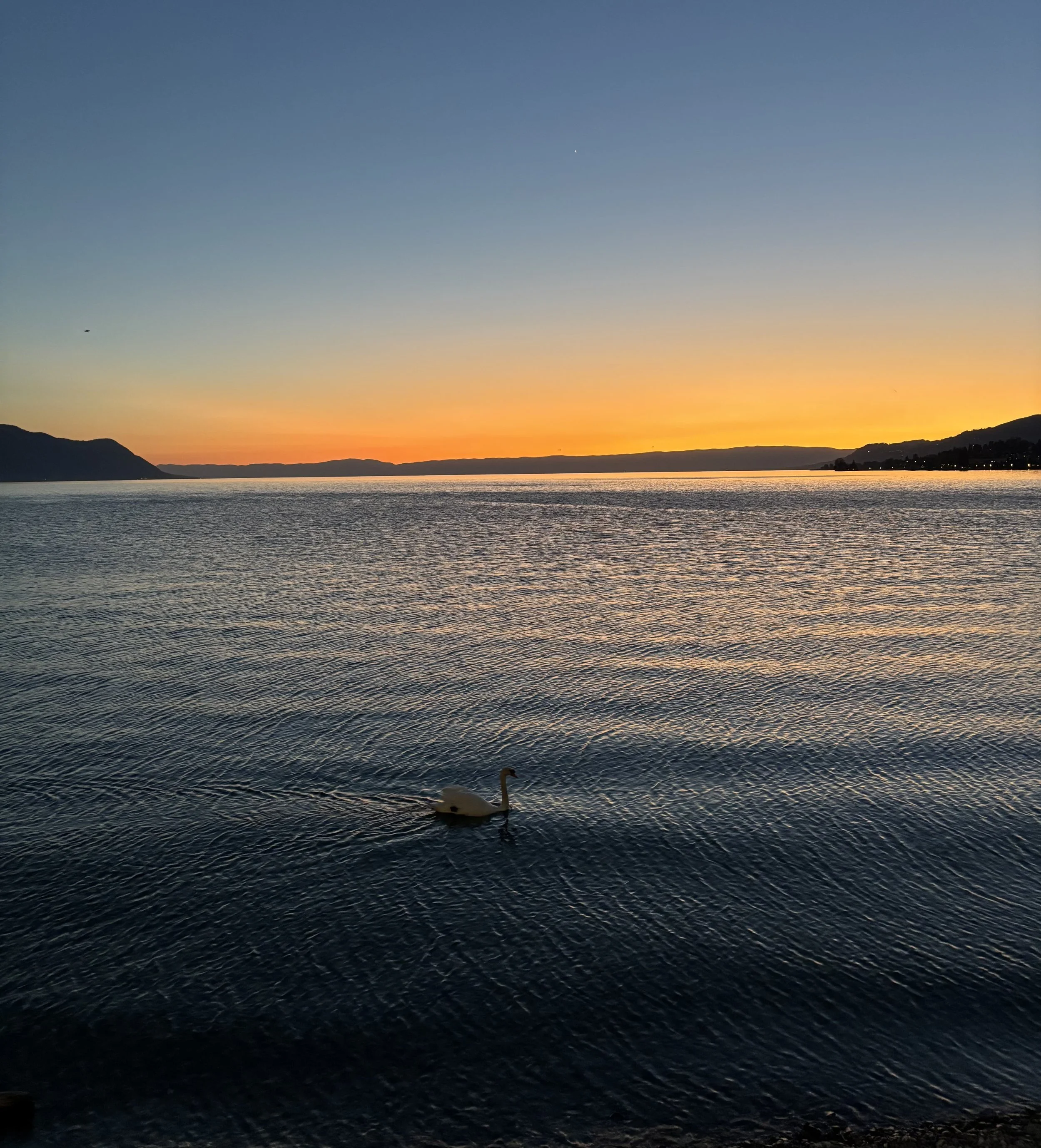
How to Reach Montreux?
From Zurich, it takes approx. 2 hours by train.
How Long to Spend in Montreux?
A day is enough to see the highlights, or 2, if you want a slower pace and time to properly explore Chillon Castle.
Practical Tip for Visiting Montreux:
Montreux is the starting point for the GoldenPass Belle Époque and GoldenPass Panoramic, one of the scenic train journeys I've covered in my post on ‘Switzerland’s Most Scenic Train Journeys’. It is worth timing your departure around one of these if you're heading north afterwards.
4) St.Moritz
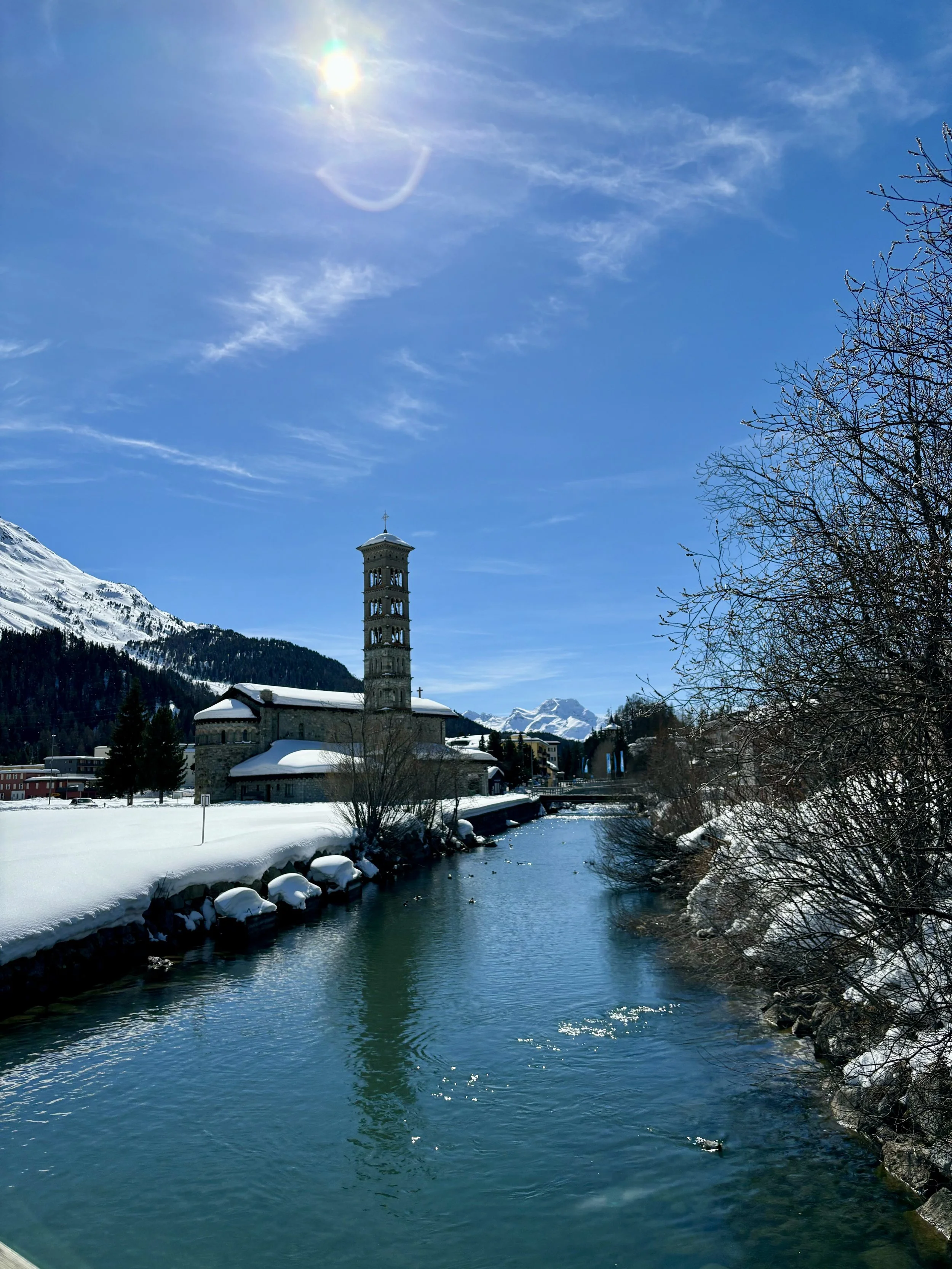
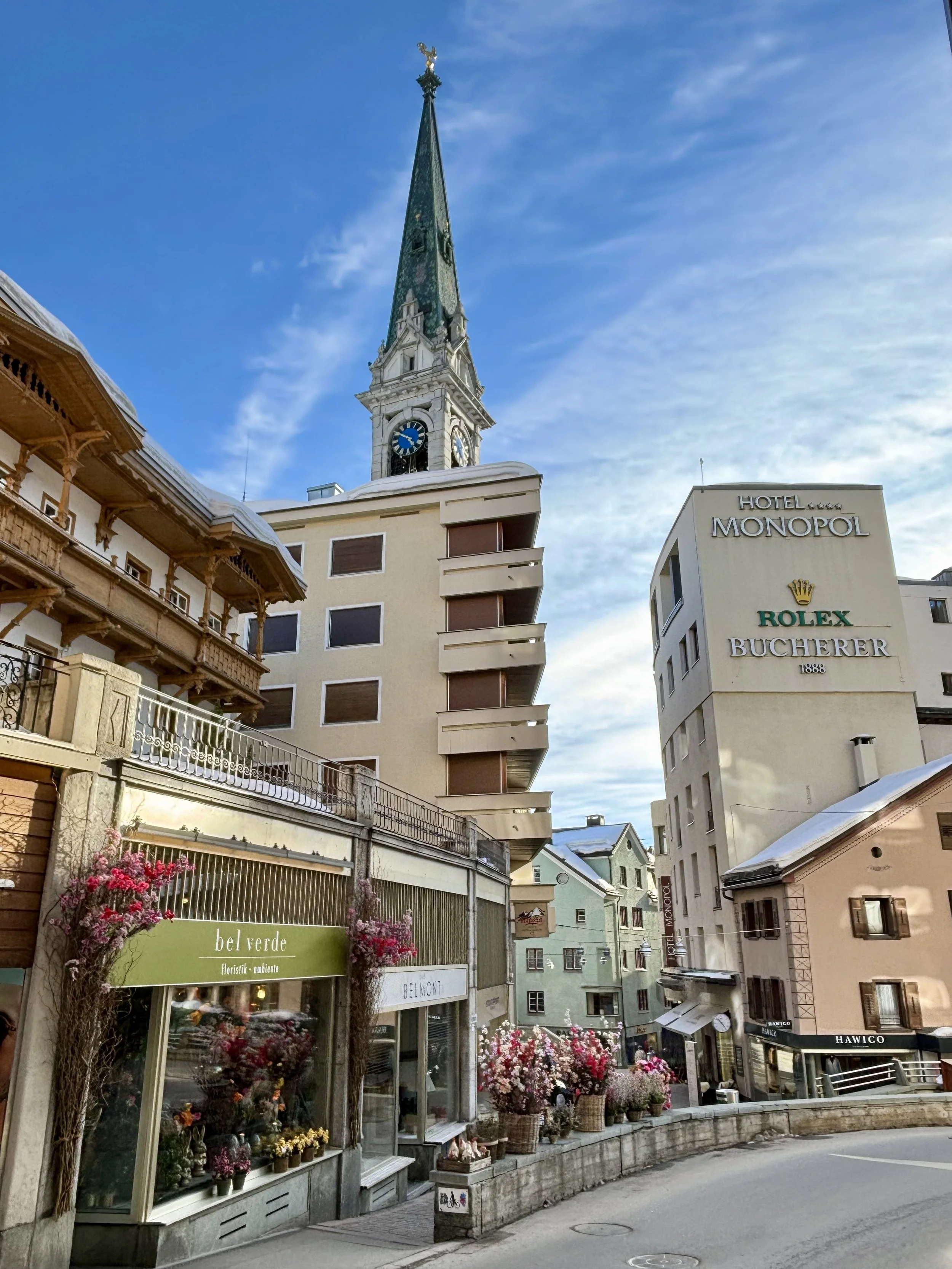
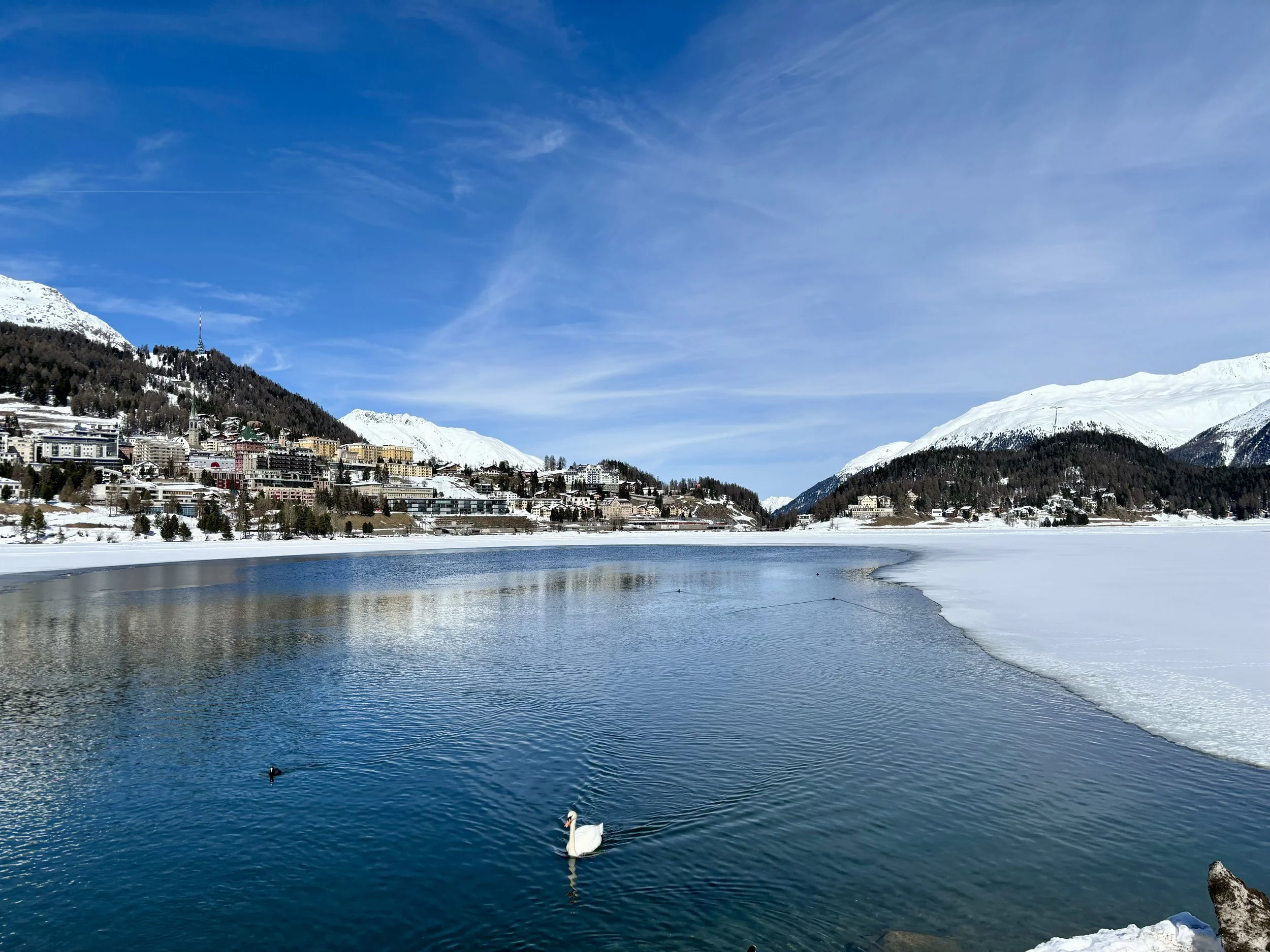
St.Moritz needs very little introduction, it's the kind of glamorous alpine ski-resort town that features in films, with its polished, luxury hotels, lakeside setting and mountain backdrops.
What to do in St.Moritz?
If you’re visiting and not planning on hitting the slopes, St.Moritz is a nice village to wander around, browse in the boutiques and relax over some food and drinks in one of the local establishments. I would recommend stopping by Chesa al Parc for food or a drink and sitting out on the terrace to soak up the surrounding scenery.
The train station is about a 10 minute walk out of the village, but you can walk along the lakeside to reach the village and it is a pretty scenic walk.
For me, St.Moritz was mainly the starting point for one of my favourite train journeys in Switzerland, The Glacier Express, which I boarded in St.Moritz for the eight hour journey to Zermatt.
If you want the full lowdown on that journey, plus my thoughts on The Bernina Express and GoldenPass Belle Époque, I've got a dedicated post covering ‘Switzerland's Most Scenic Train Journeys’, which is well worth a read before you plan your own route through the Alps.
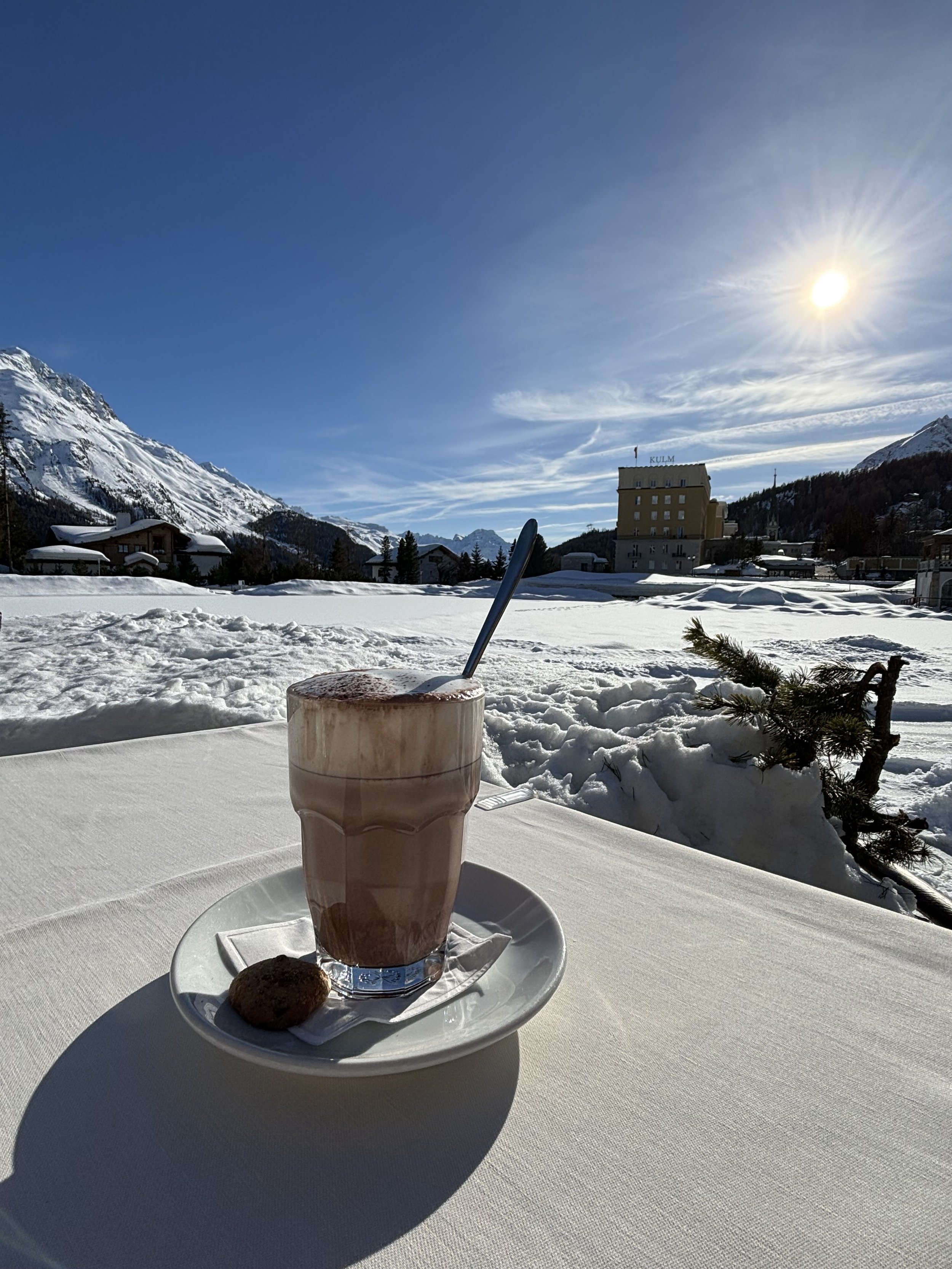
How to Reach St.Moritz?
From Zurich, it’s around 3.5 hours via Chur.
Practical Tip for Visiting St.Moritz:
The Glacier Express reservations should be booked well in advance, if possible, as spots fill up fast in peak season. You need both a valid ticket or travel pass, and, a separate seat reservation.
5) Zermatt
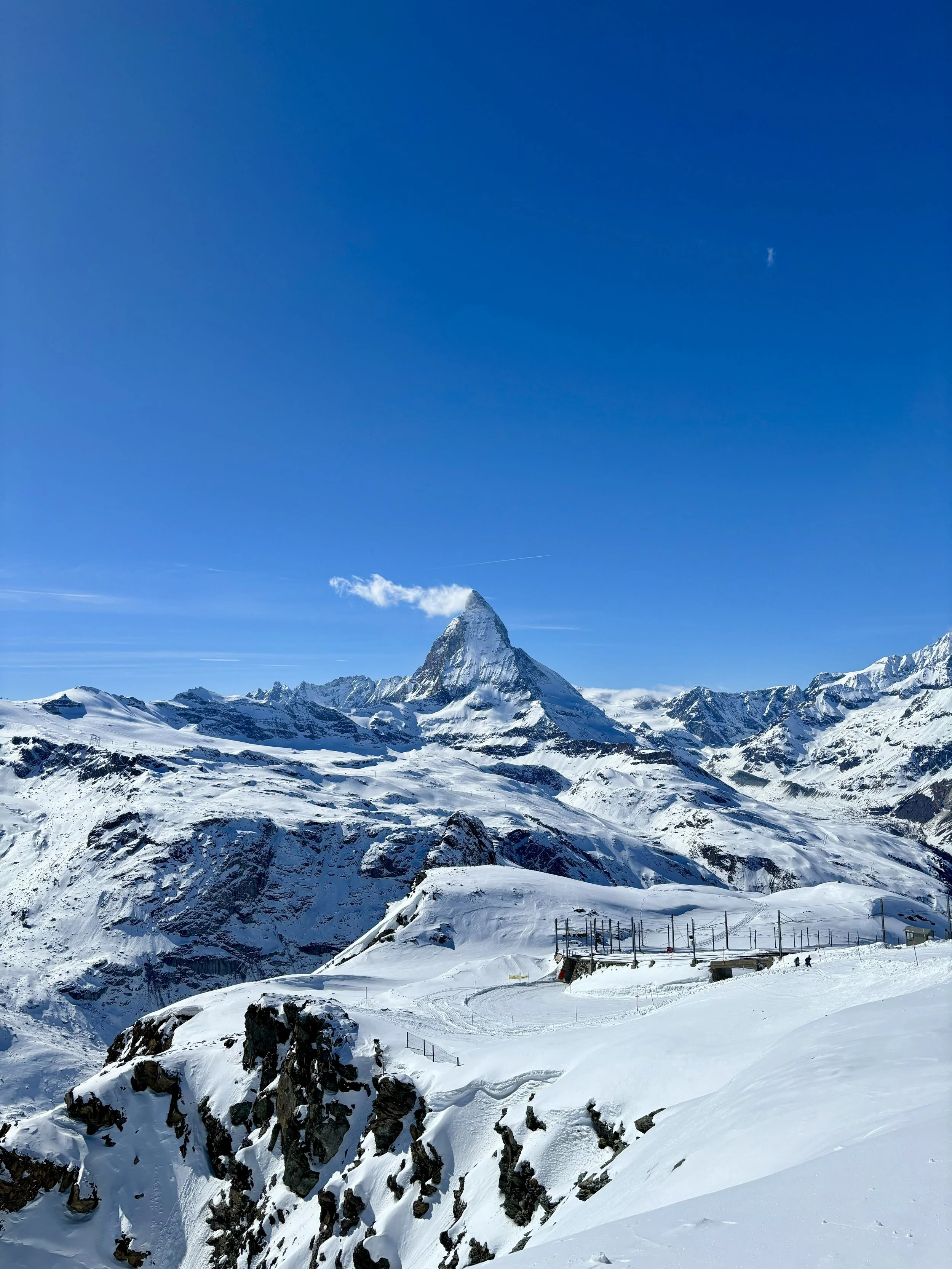
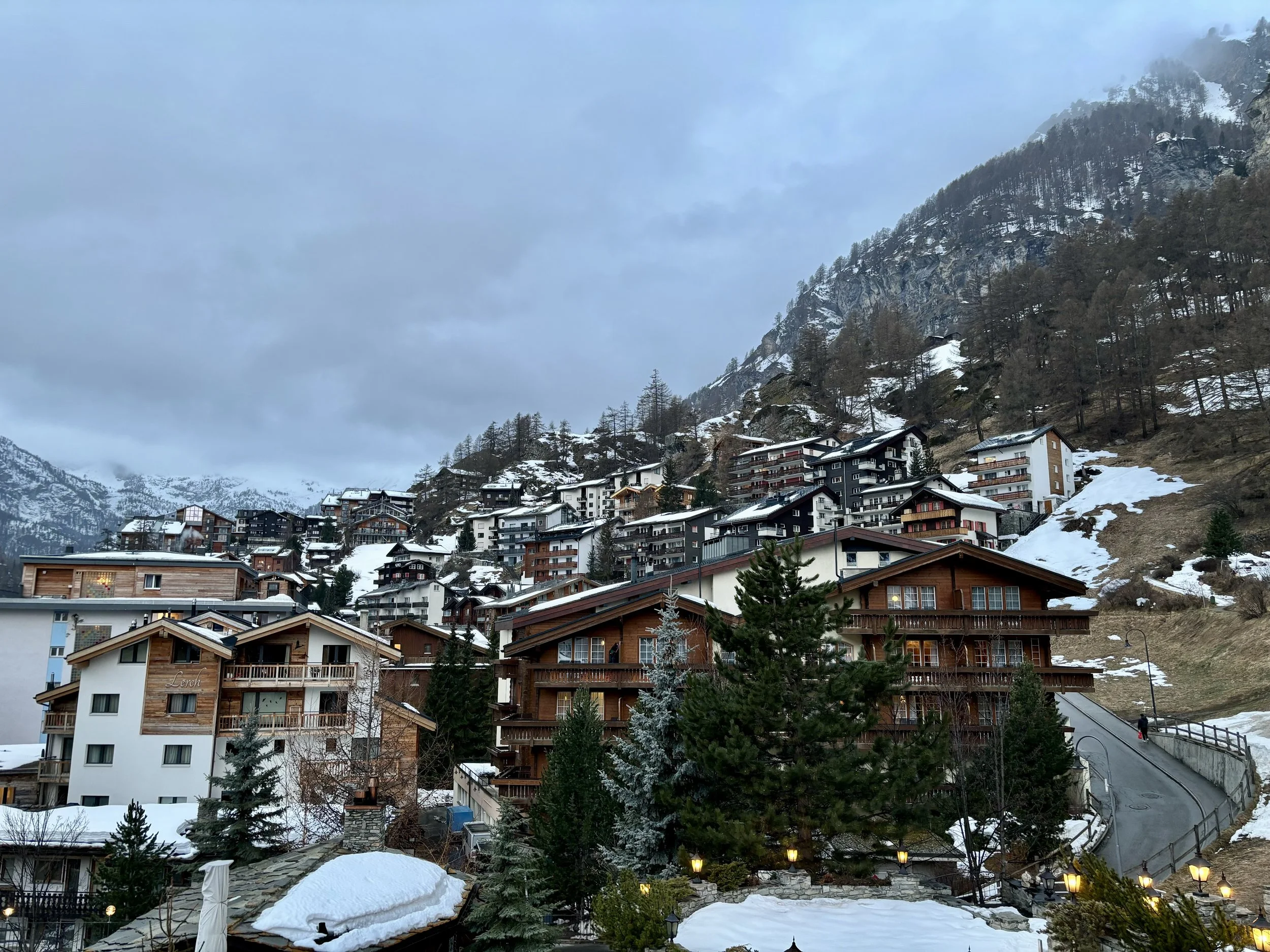
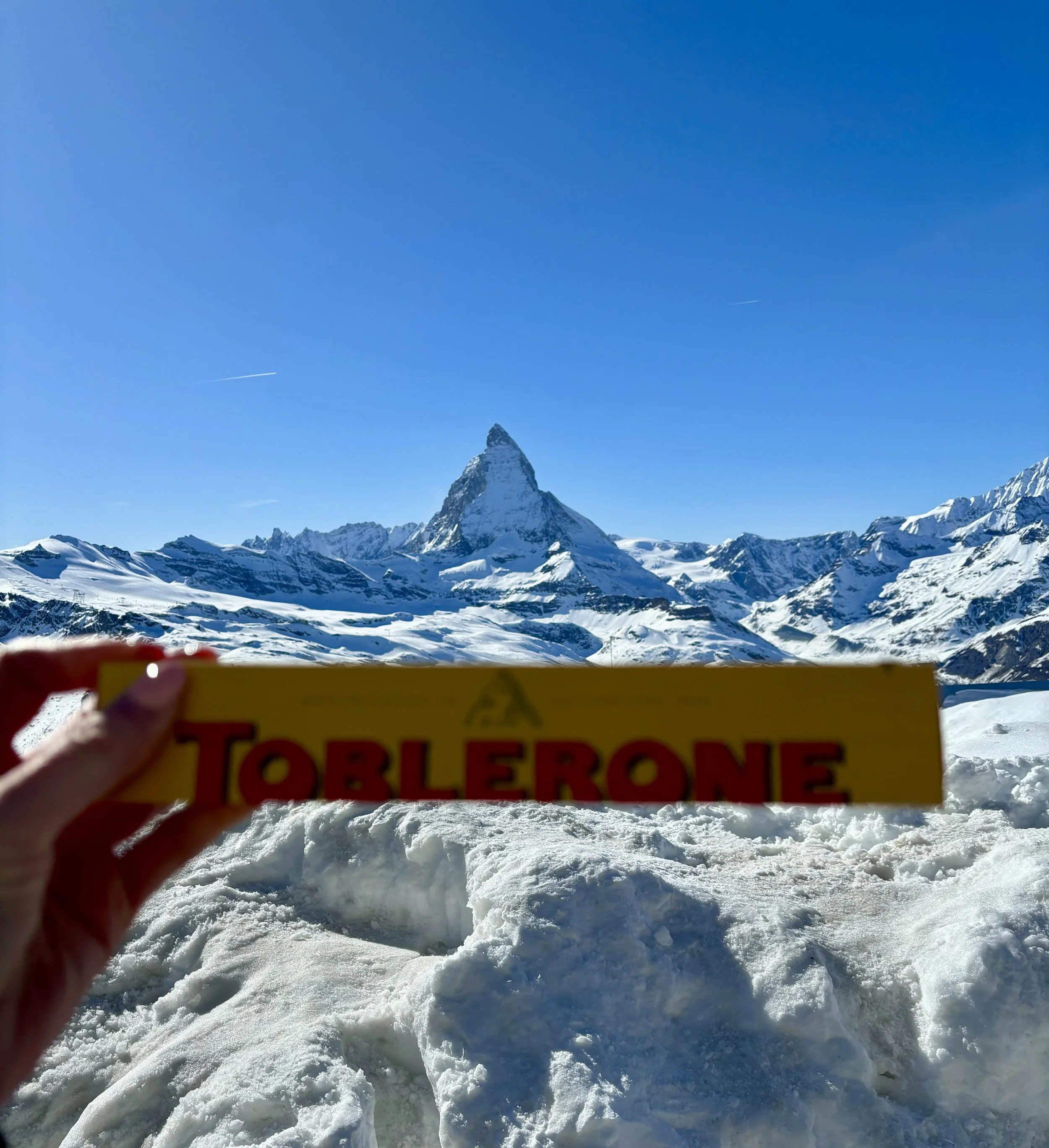
Zermatt is exactly what you’d imagine if you think of a classic, alpine Swiss village, with the magnificent Matterhorn towering high above. It’s truly like something straight out of a movie.
The wooden, chalet style buildings lining the main street and throughout the village house shops, restaurants, bars and hotels.
I was in Zermatt in March and there had been fresh snowfall just before I arrived so the village looked even more charming with the snow on the chalets.
What to do in Zermatt?
Zermatt is a ski resort so a lot of people visit the village for skiing, but it is still a great place to visit even if you aren’t skiing.
A highlight for me was visiting the Matterhorn Glacier Paradise. A cable car/gondola takes you up to 3,883 metres, to the highest cable car station in Europe, where a summit viewing platform offers direct and unforgettable views of the iconic Matterhorn and across 38 peaks of 4,000 meters and 14 glaciers.
In the cable car I took up the mountain, I was the only non-skier and I have to take my hat off to the skiers, especially those who went all the way to the top as the altitude was no joke. At one point I wondered if the cable car was ever going to stop as it kept disappearing into the clouds!
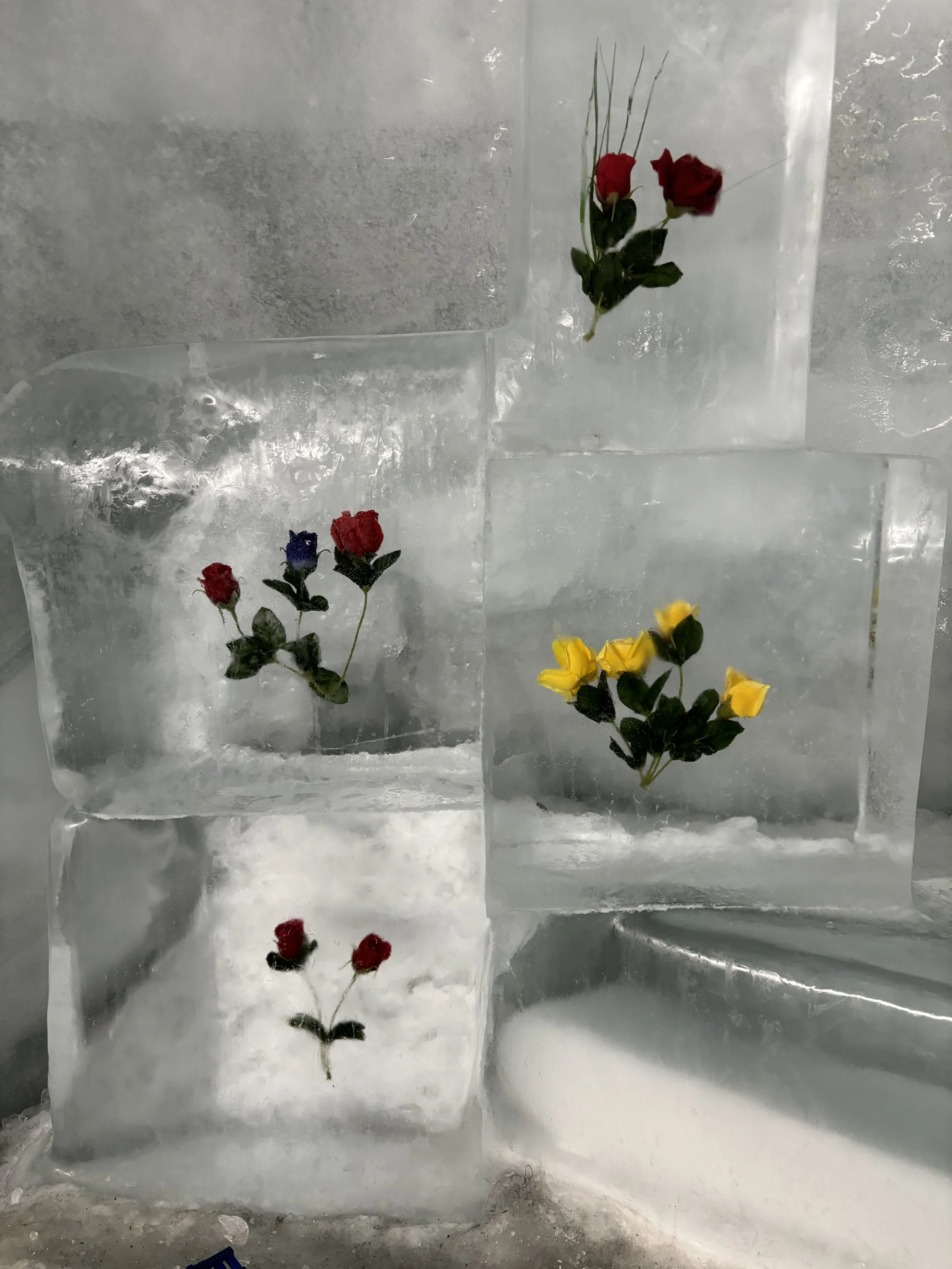
Once you do arrive at the top, there is the viewing platform of the surrounding mountains and glaciers, a cafe and a Glacier Palace. The Glacier Palace is a series of tunnels and caves carved 15 meters into the glacier ice, complete with ice sculptures, and is worth exploring.
Once you are finished, you can take the cable car/gondola back down the mountain, if you have chosen not to ski. You can sit back, relax and once again take in the views of the Matterhorn (that never get old) as you journey down alongside it.
Other Suggestions for what to do in Zermatt:
Explore the village, its shops, restaurants and be sure to try some cheese fondue!
How to Reach Zermatt?
I arrived on The Glacier Express from St.Moritz, which has a journey time of 8 hours, with all the scenery that makes it worth it.
If you're skipping that route, a standard train from Zurich, via. Visp takes approx. 3.5 hours.
Practical Tip for Visiting Zermatt:
Zermatt is entirely car free, so you get around either on foot, or, by electric taxi. It is worth factoring this into how you plan your luggage and transfers to your accommodation.
6) Interlaken
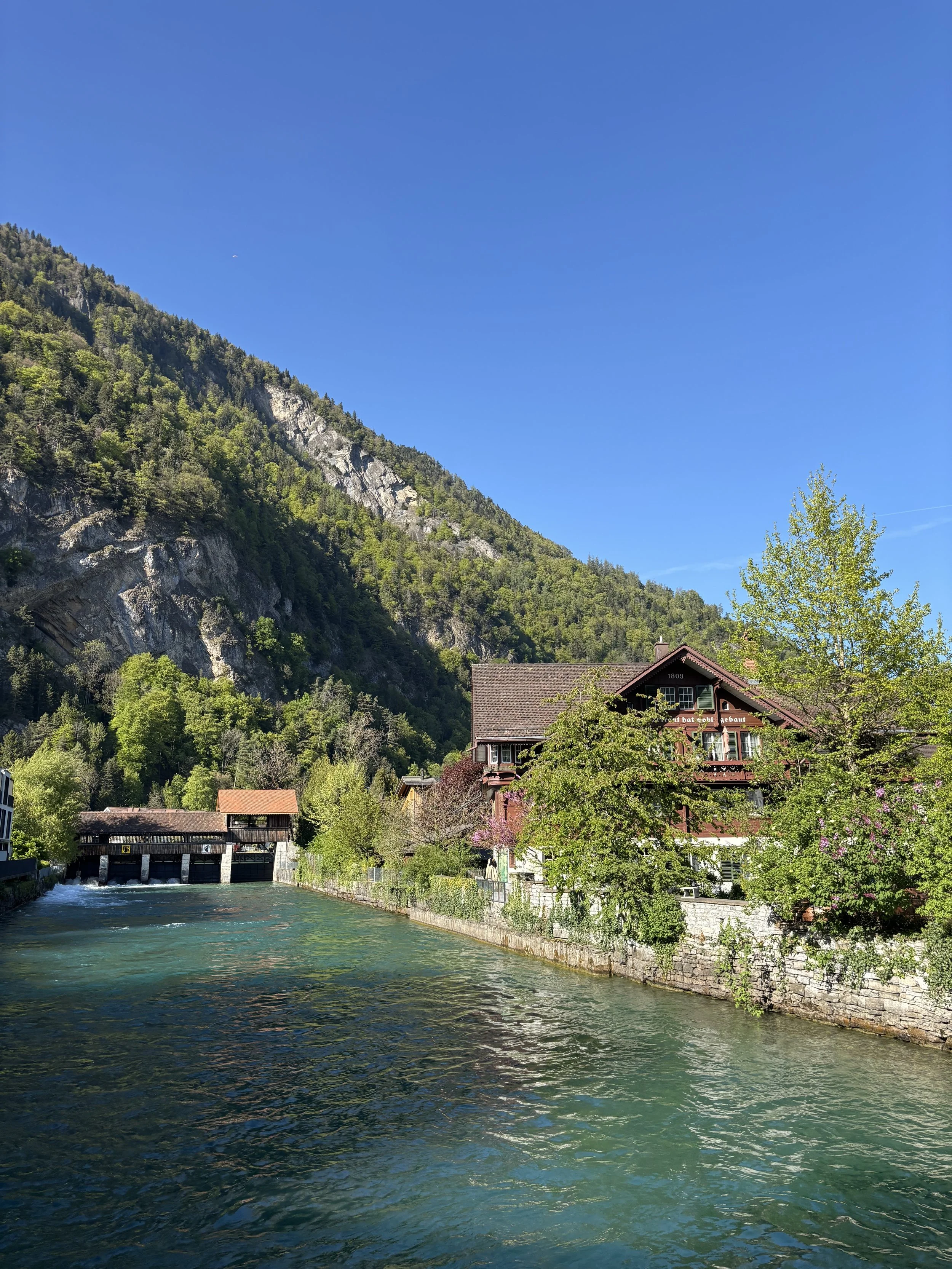
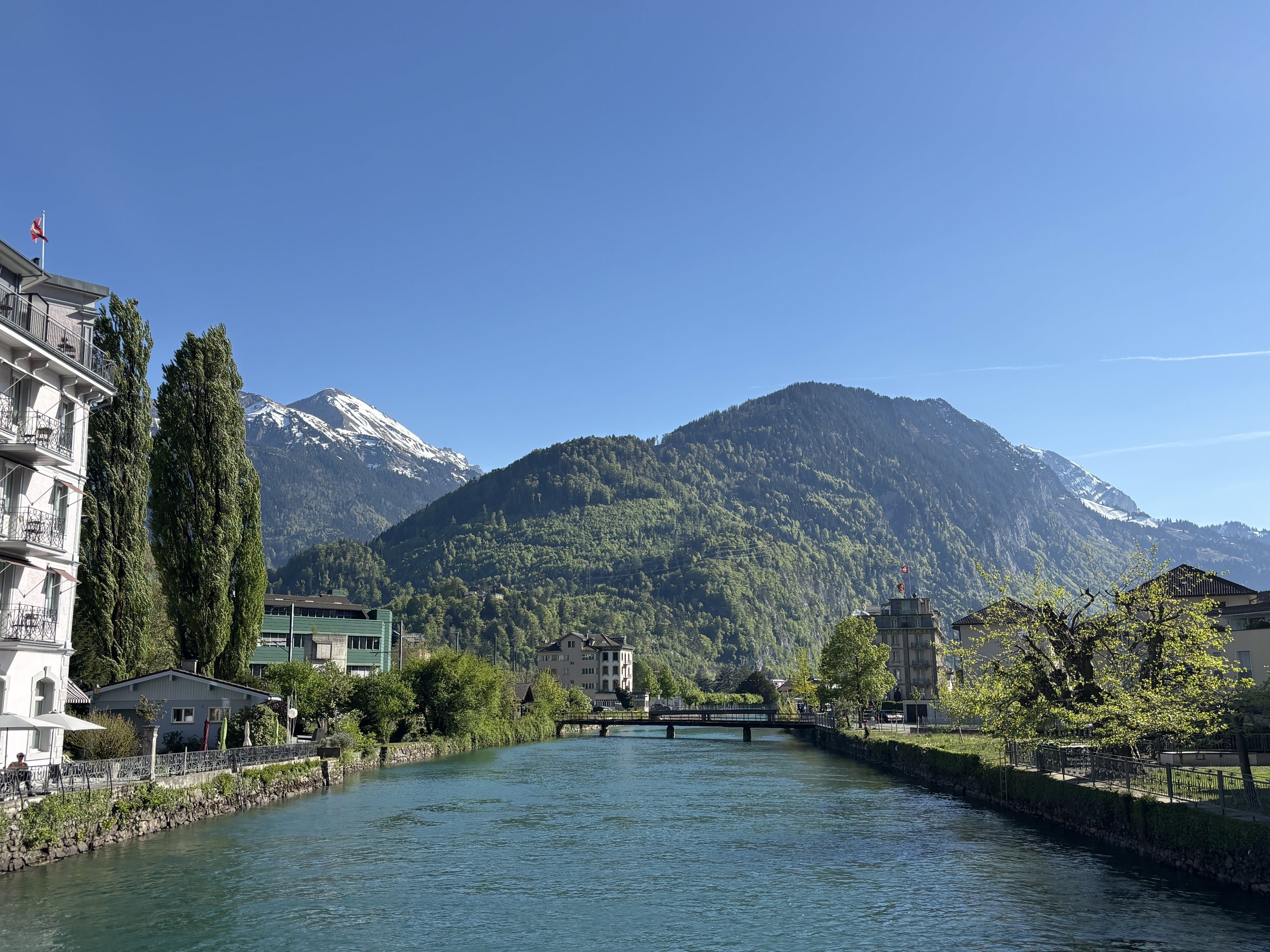
Interlaken is a village sitting right where the name suggests, between two lakes: the emerald green Lake Thun, and, Lake Brienz. The Jungfrau, Eiger, and Mönch mountain peaks rise up behind the village.
What to do in Interlaken?
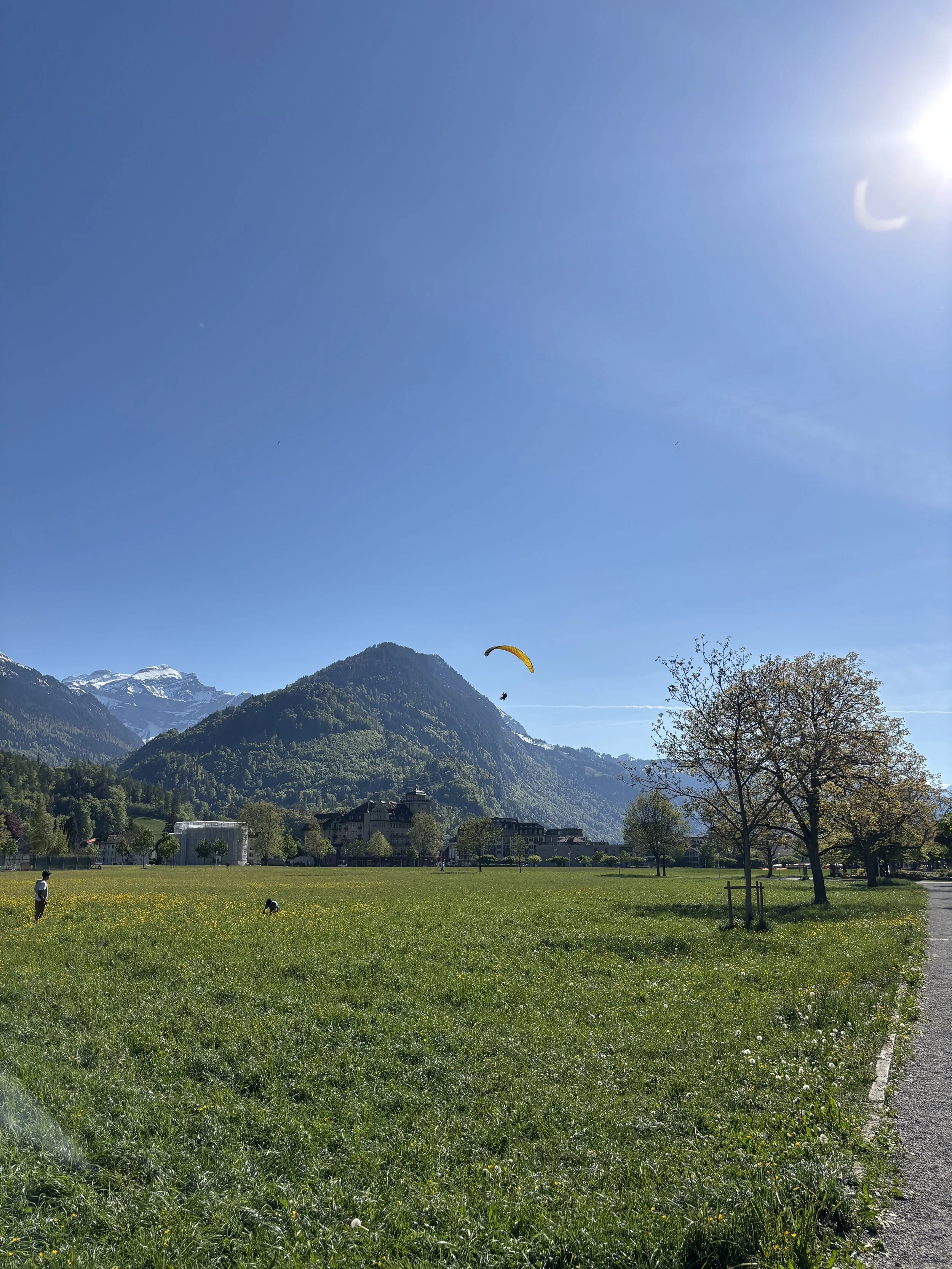
Interlaken is known as the adventure capital of Switzerland, and it's easy to see why when you walk through the village and see paragliders drifting down over the town all day long, landing right in the middle of Höhematte park, with the Jungfrau as a backdrop. It is also a highly popular spot for hiking trips given its location in the Alps.
I spent a half-day in Interlaken on my way to Zurich after doing the GoldenPass Belle Époque. I wandered along the lakes and through the village before grabbing a coffee and watching the paragliders.
How to Reach Interlaken?
From Zurich, it takes approx. 2 hours. There is a direct service every 2 hours, or, connecting routes operate more frequently and take around the same time.
How Long to Spend in Interlaken?
A day or half-day works well to wander through the village and along the lakes, before heading home or onward, unless you are using it as a base for hiking or exploring the nearby regions such as Grindelwald, Jungfraujoch, in which case it could serve as a practical base for a few days.
Final Thoughts on 6 Must Visit Villages in Switzerland
That's my take on 6 must visit Swiss villages that I have visited. Six villages and honestly, six different sides of Switzerland, each charming and memorable in their own way. If you've read my other post on The Glacier Express, Bernina Express, and GoldenPass Belle Époque trains, the above villages pair perfectly with those routes if you're planning a Switzerland adventure that takes you on several stops across the country.