
Switzerland’s Most Scenic Train Journeys:
Glacier Express, Bernina Express & GoldenPass Belle Époque
July 2026
Please Note: This post contains affiliate links, meaning if you book through them I may earn a small commission, at no extra cost to you.
In Switzerland, the journey is often as good as the destination, and can even be the highlight of the trip (and I don’t say that lightly!), especially if you are travelling by train. Home to some of the most beautiful panoramic train routes in the world, the trains here pass through stunning natural landscapes, quaint Swiss villages, and even climb up mountain edges. Sections of the railway lines in Switzerland are even listed as UNESCO World Heritage Sites, including part of the Bernina Express route.
I visited Switzerland in 2024 and in 2026, and between the two trips, I experienced the main panoramic train journeys throughout the country. In this post I will cover the following popular train routes: 1) The Glacier Express; 2) The Bernina Express; and, 3) The GoldenPass Belle Époque .
But before I get into the details of the specific train journeys, below are some general considerations for planning your Switzerland rail adventures.
Practical Planning Tips for Switzerland’s Panoramic Trains:
Before buying your train tickets, and especially if you will be travelling on more than one train, it is worth pricing an Interrail Pass, or, a SwissPass, where you can buy multi-day tickets that cover all rail travel in the country (for my trips it worked out cheaper to buy an Interrail Pass than to purchase each train ticket individually). Note though, for the panoramic train journeys such as the Glacier Express and Bernina Express, while a pass will cover your ticket fare, you will still need to purchase a seat reservation. If you do purchase an Interrail Pass or Swiss Pass, you also need to ensure you activate the pass for each day of travel before boarding the train to avoid any penalties from the ticket inspectors.
Have your passport with you as the train inspectors often ask to see proof of ID alongside your ticket.
Download the SBB Mobile app to check train times on your days of travel and for real time updates.
Trains in Switzerland are extremely punctual and efficient, and on several occasions I made train connections (including changing platform) that were as little as 4 to 5 minutes. At the same time, most routes operate relatively frequently, so you could take a more laid-back approach and wait for the next train instead of rushing!
A more general Switzerland tip, that caught me out, is, Switzerland has a different electrical outlet to the rest of mainland Europe. The electrical outlet is a Type J socket, so you will need an appropriate adapter, like this one.
The currency in Switzerland is the Swiss Franc (CHF) but card is widely accepted and I didn’t come across anywhere on my travels that specifically required cash.
1) The Glacier Express
Known as “the slowest express train in the world”, The Glacier Express is an unforgettable train journey through the Swiss Alps. This was my first panoramic train experience in Switzerland and it remains my favorite, despite the tough competition!
Is The Glacier Express worth it?
Travelling between the luxury alpine resort village of St.Moritz, and, Zermatt, home of the iconic Matterhorn mountain, the 8 hour journey takes you through the heart of the Swiss Alps. I know 8 hours is a long time on a train, but it is honestly worth it, and you get so caught up in the scenery the time passes by with ease. If you want a slightly shorter route, an alternative option is to start your journey on the Glacier Express in Chur, Switzerland’s oldest city. The time onboard from Chur to Zermatt is between 5.5 and 6.5 hours.
Watch from the panoramic windows as the train passes by glaciers, gorges, lakes and meadows, through 91 tunnels and crosses 291 bridges. Marvel at Swiss engineering as the train smoothly switches to a cogwheel system for the steep ascents and descents through the Alps. Onboard the train, you receive headphones allowing you to listen to commentary on key points of interest along the way.
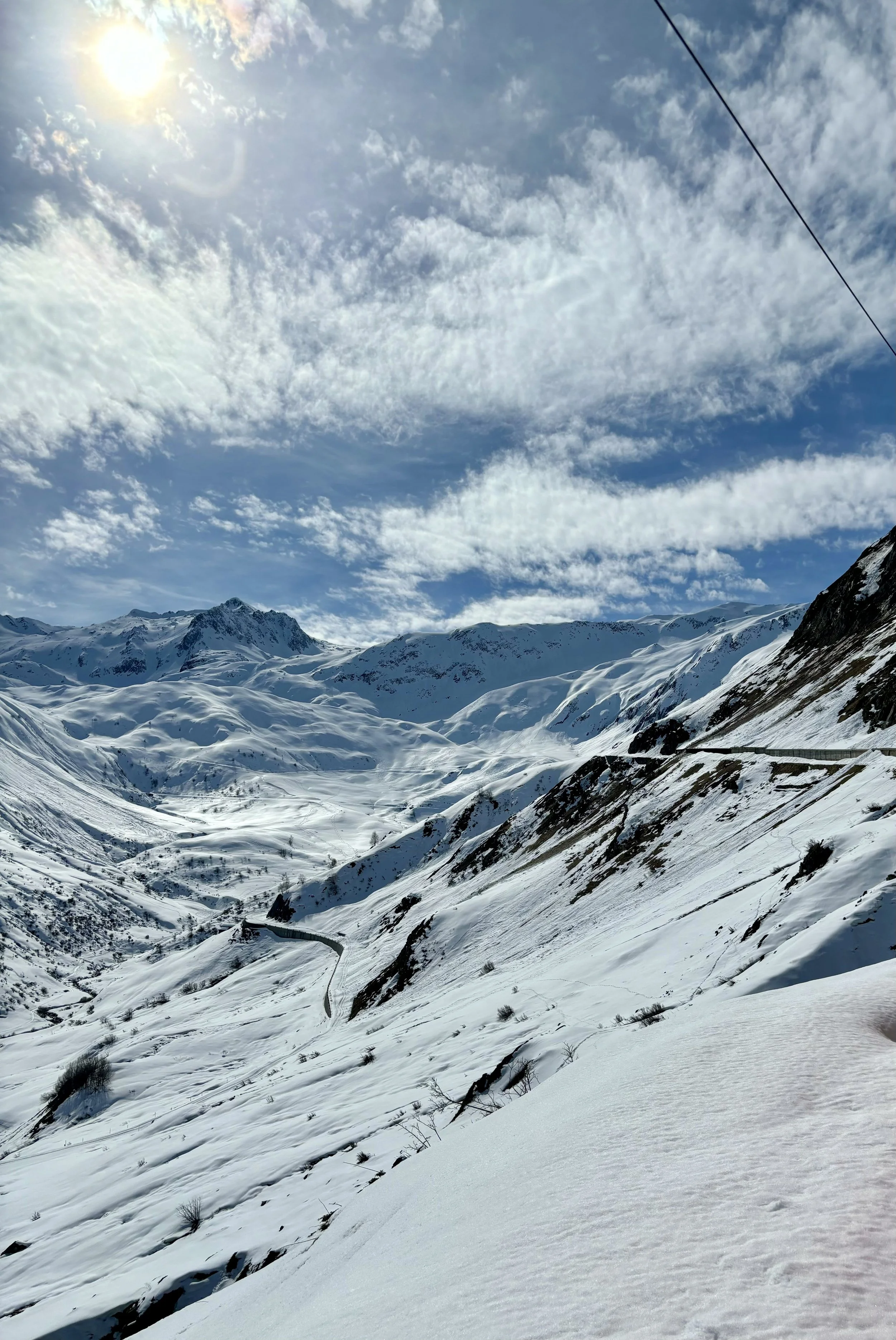
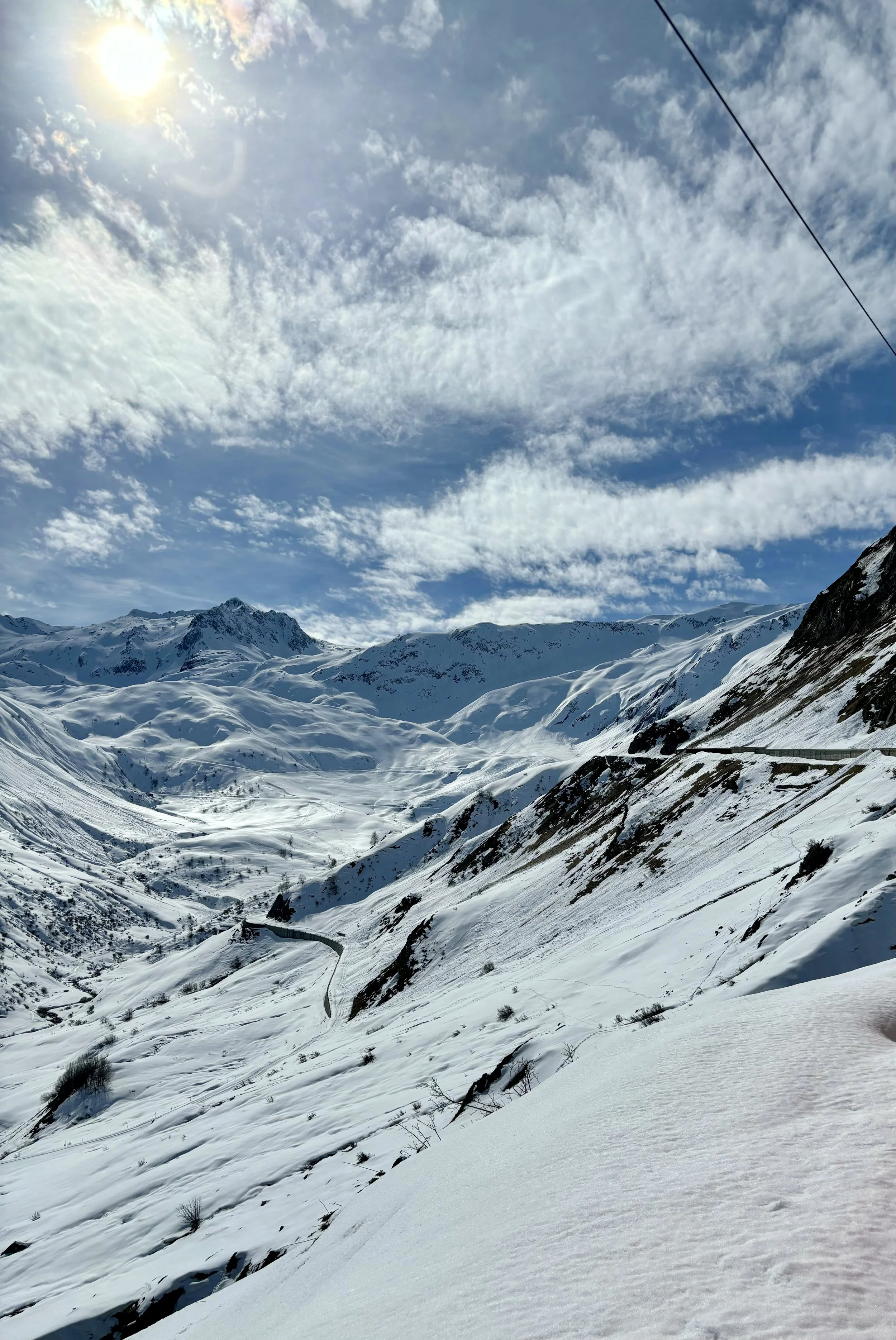
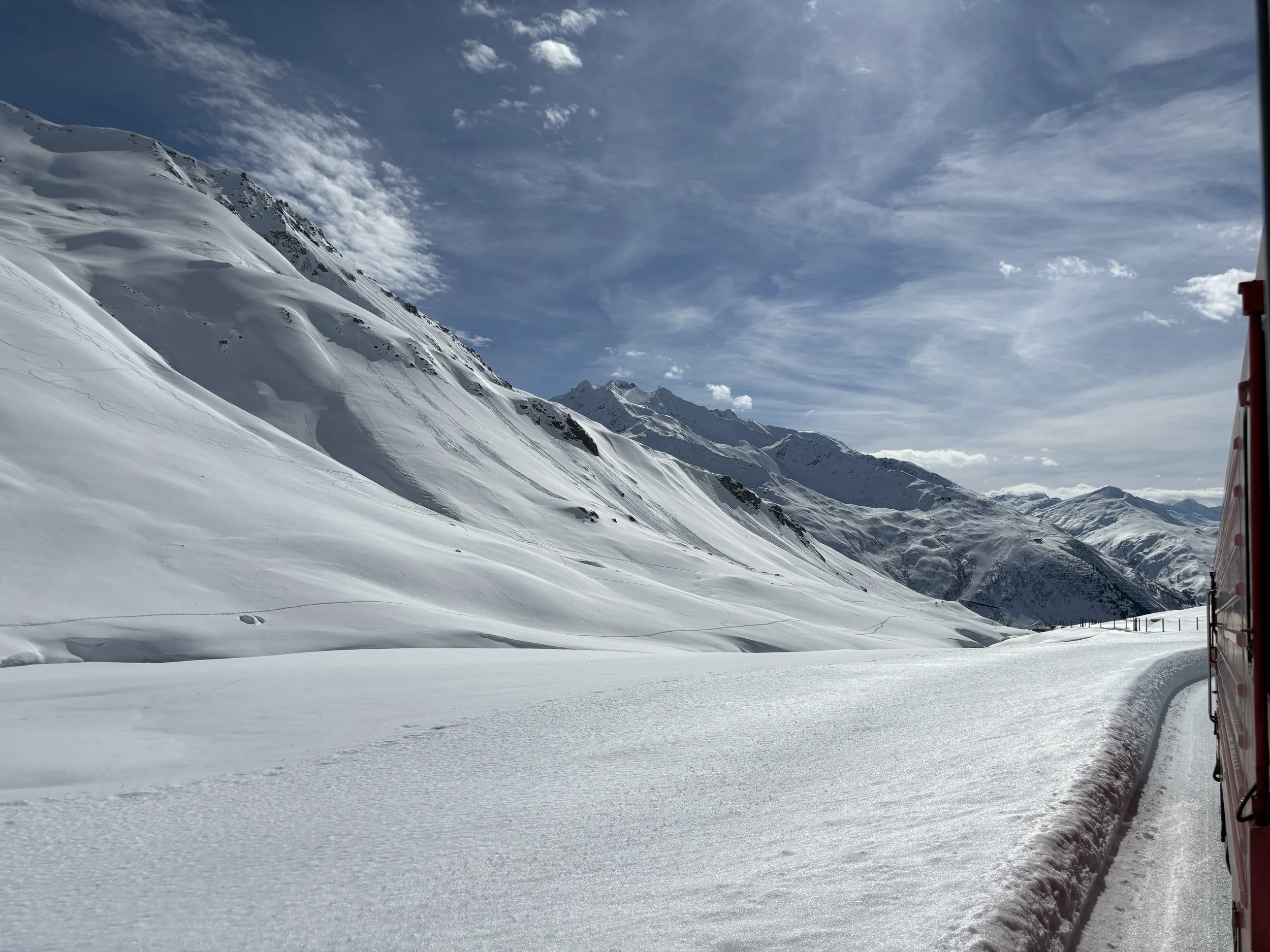
Two personal highlights were: crossing the Landwasser Viaduct, and, climbing steep mountain sides to reach the Oberalp Pass at 2,033 meters above sea level. The Oberalp Pass is the highest point of the Glacier Express journey and the train stops here to allow passengers to disembark briefly for some fresh mountain air and a photo opportunity.
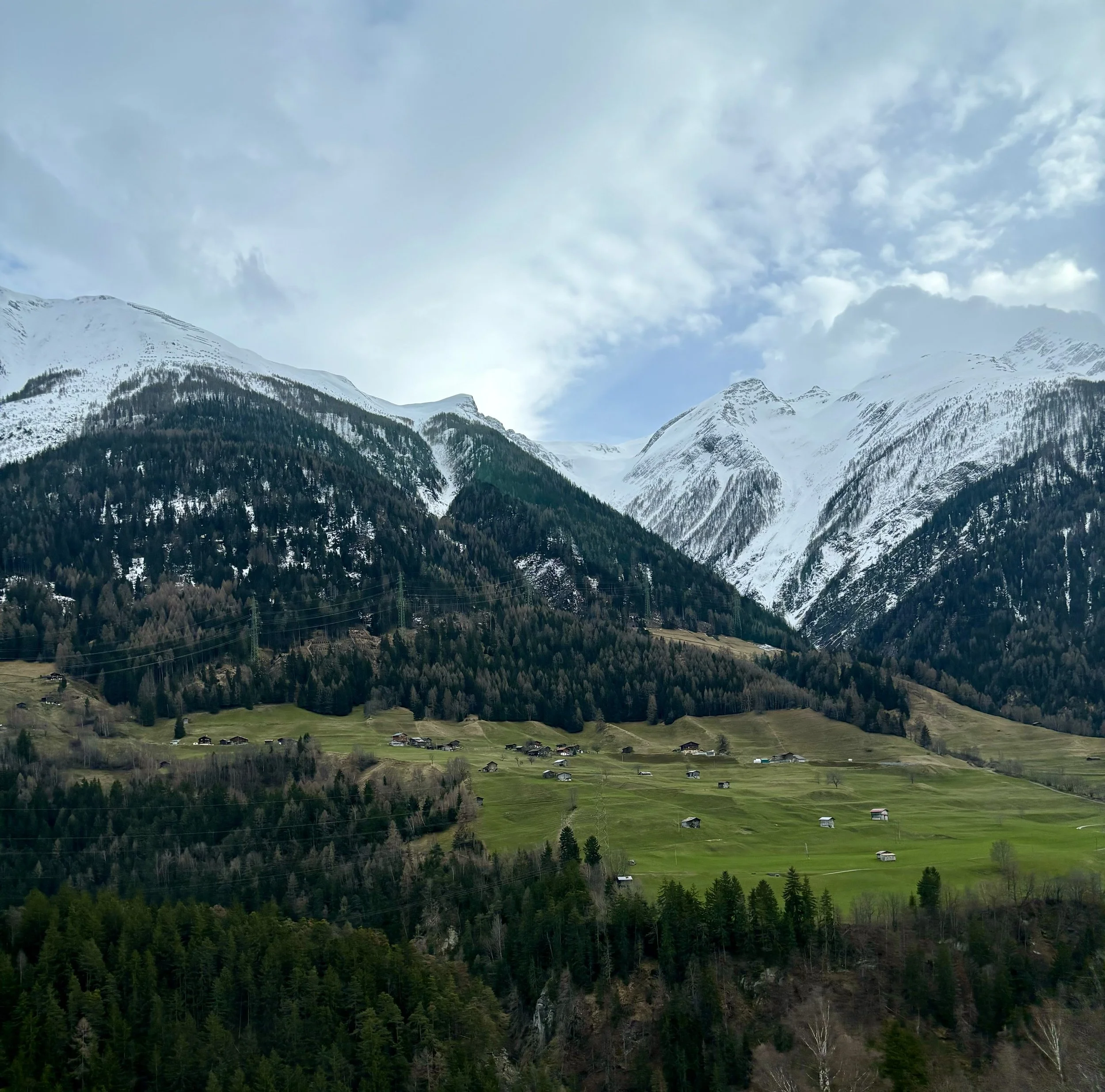
I went on The Glacier Express in mid-March, when there was a contrast between the snowy mountain landscapes, and, first signs of Spring at lower elevations, but I believe every season would be magical in its own way.
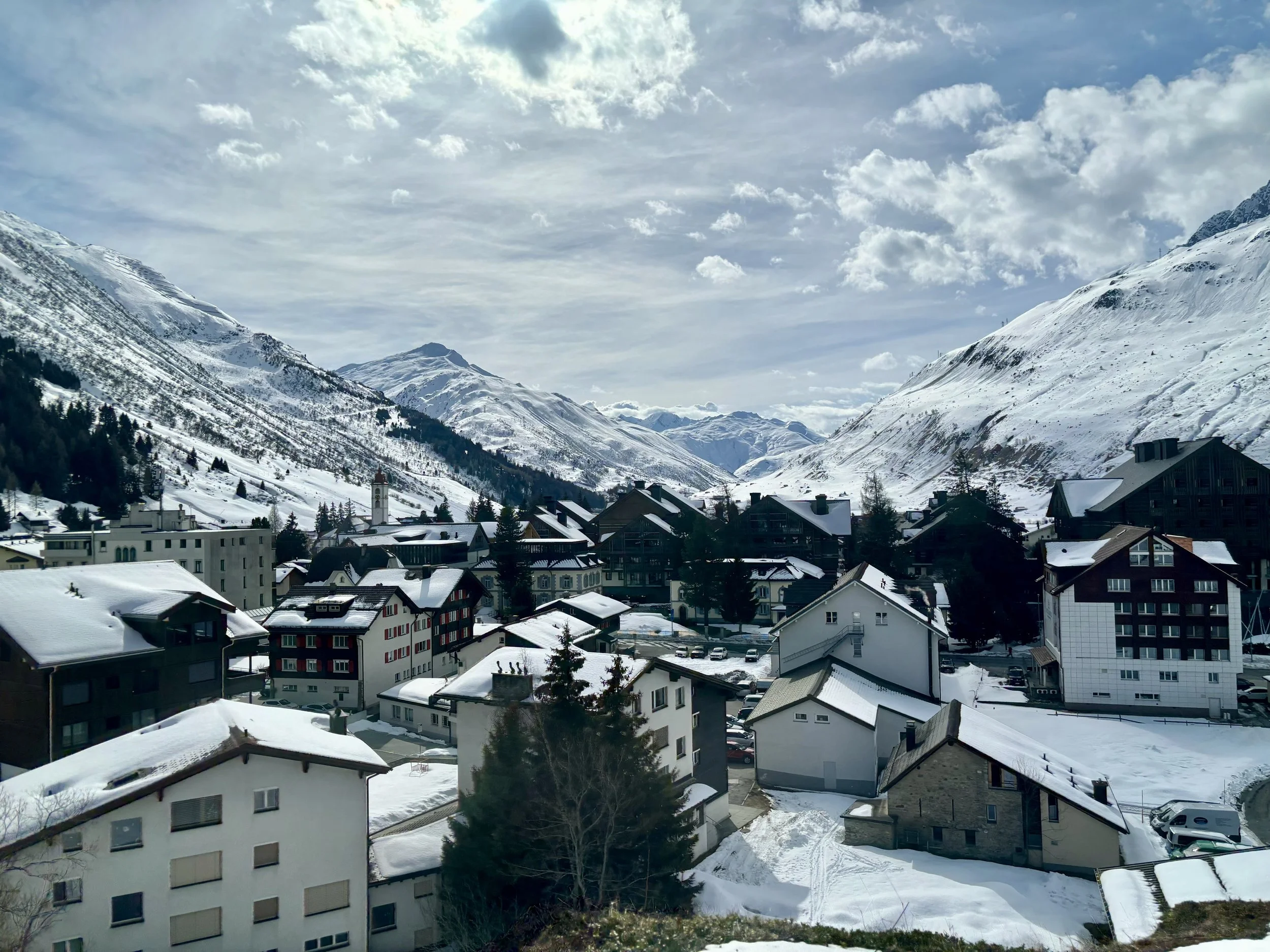
Train times and seating options onboard The Glacier Express
The train operates from early December to mid October, running twice daily in each direction between St.Moritz and Zermatt. In the summer season there are additional trains serving sections of the route (St.Moritz-Brig, and, Zermatt-Chur).
There are 3 seating classes on the train: Excellence Class, 1st Class, and, 2nd Class. The Excellence Class has a 1 + 1 seating arrangement, so all seats are window seats, and includes champagne on arrival and a 5 course meal during the journey. Both the 1st and 2nd Class carriages offer panoramic windows for uninterrupted views, but they differ in their seating arrangements: the 1st Class carriages have a 2 + 1 seating layout, while the 2nd Class carriages have a standard 2 + 2 seating layout. Meals can be delivered to your seat in both 1st and 2nd Class, just make sure to pre-order, as availability isn't guaranteed otherwise.
I treated myself to a 1st Class ticket as I was travelling solo; mainly for the window seat to soak in all the views, but honestly, a quieter carriage with fewer people was also part of the appeal.
Do you need a seat reservation for The Glacier Express?
Seat reservations are mandatory for The Glacier Express. You need both a valid ticket, or travel pass, and a seat reservation. A seat reservation in 1st Class, or, 2nd Class costs CHF 54, and for Excellence Class costs CHF 540.
Seat reservations for Excellence Class open in October each year for the full year ahead, while 1st and 2nd Class reservations open 93 days in advance (pricing and booking window information correct as at time of writing in July 2026). Reservations can be made on the official Glacier Express website (www.glacierexpress.ch).
Bonus Tip for your journey on The Glacier Express
If you are an avid photographer it is worth noting that the windows in the train door can be opened during the journey, so you might be able to avoid the usual window glare / reflection in some photos if you leave your seat and manage to snatch the open window at the right moments!
2) The Bernina Express
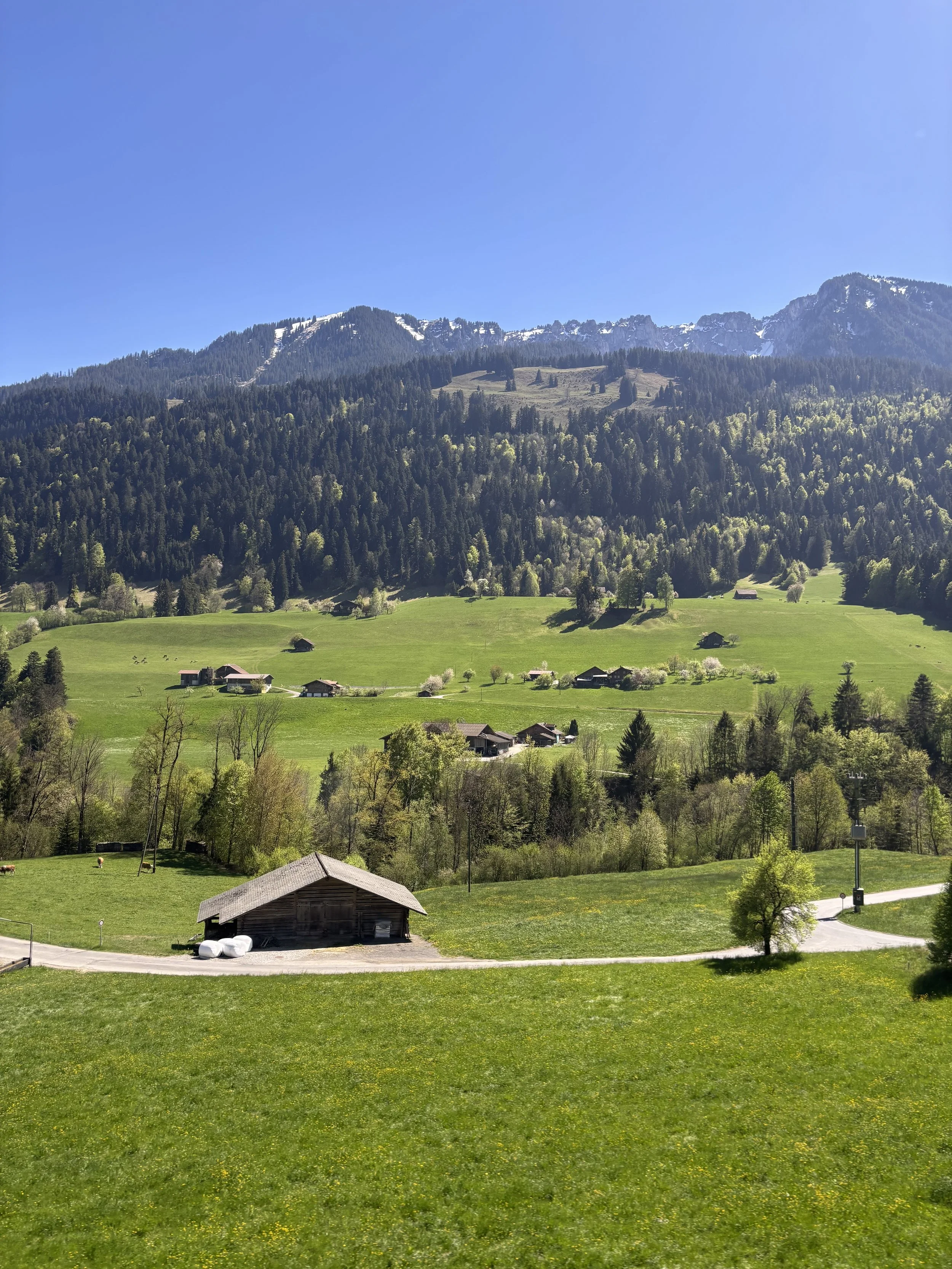
Journey through some of the most impressive scenery in the Alps onboard The Bernina Express; crossing dramatic viaducts, gliding past glaciers, and climbing to the highest railway crossing in the Alps; all from the comfort of a panoramic carriage. It's easy to see why it's a UNESCO World Heritage railway route.
Is The Bernina Express worth it?
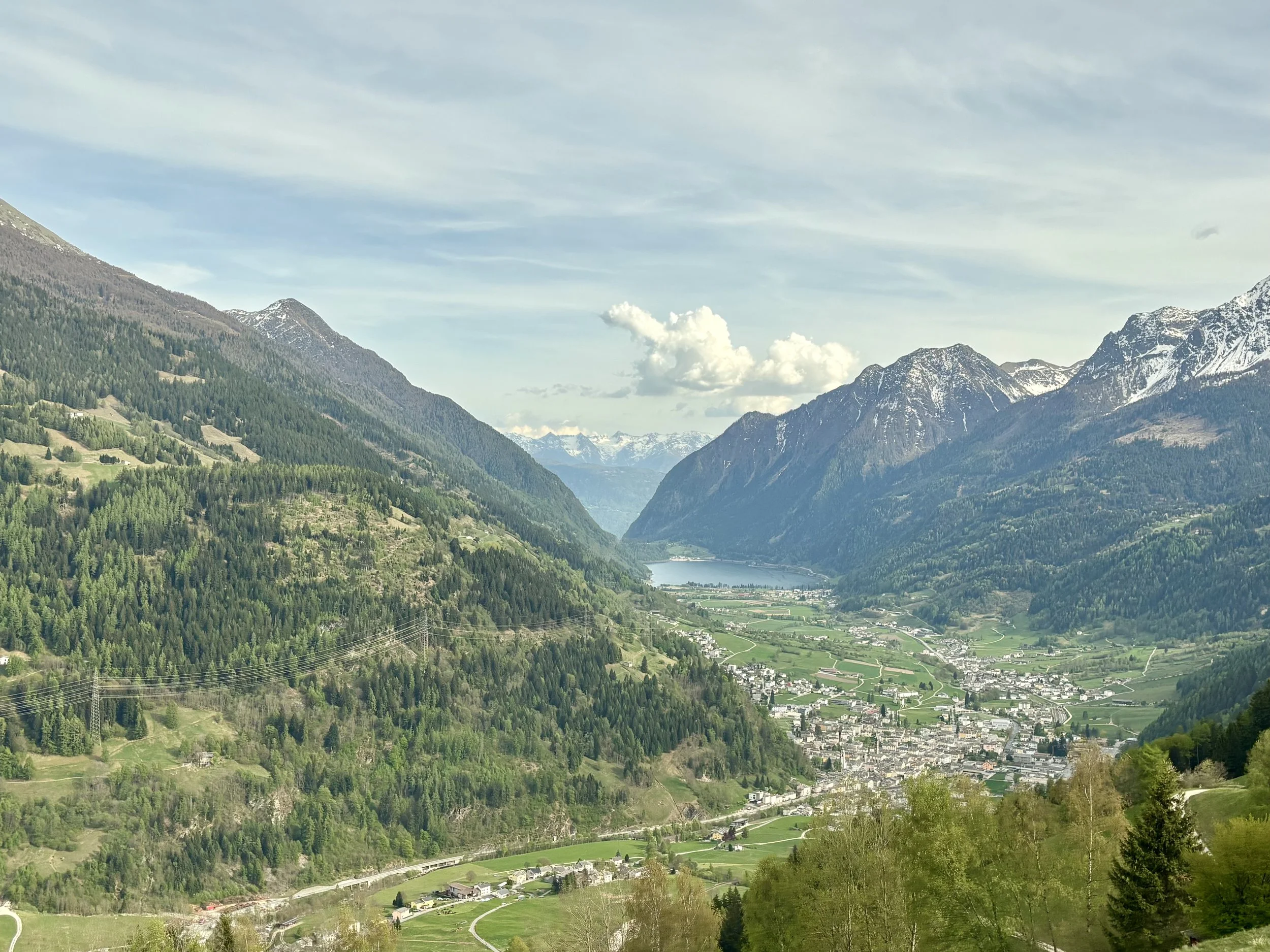
Travelling between Chur, Switzerland's oldest city, and Tirano, in northern Italy, the full journey takes around 4 hours. Crossing 196 bridges and passing through 55 tunnels, the train climbs from snowy alpine peaks down into lush green Italian valleys, before passing right through the main square in Tirano, all in one breathtaking train journey.
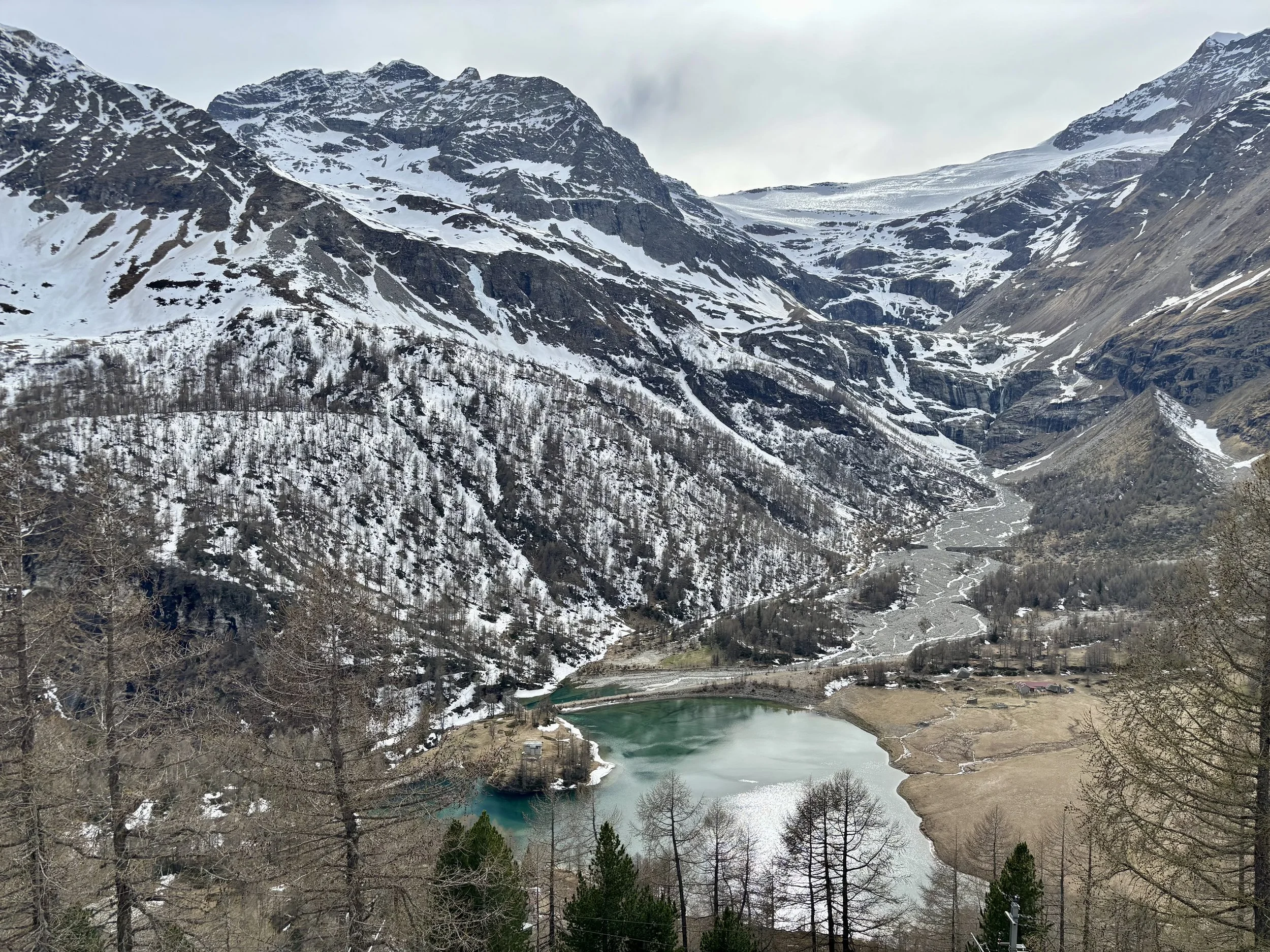
The Bernina Express reaches an altitude of 2,253 metres at the Ospizio Bernina Pass, the highest railway crossing in the Alps, from where you can admire the turquoise waters of Lago Bianco. The train makes a stop at Alp Grüm, a panoramic terrace where passengers can disembark to view the Palü Glacier and the first views of Italy in the distance.
A personal highlight of The Bernina Express trip was crossing the Brusio Spiral Viaduct, another engineering marvel, designed to overcome steep gradients by allowing trains to change elevation using a circular loop. This unique stone structure, itself a UNESCO World Heritage Site, features nine arches and the spiral design has the added benefit of offering passengers a moving 360 degree view of the surrounding landscape.
Similar to The Glacier Express, The Bernina Express also crosses the impressive Landwasser Viaduct, which lies on the railway line between Chur and St.Moritz. If your plans include travel on the full Glacier Express route, or, if you'd simply like a shorter route, an alternative option is to start your journey on The Bernina Express in St. Moritz instead of Chur, cutting the time onboard to roughly half (approx. 2 hours and 15 minutes).
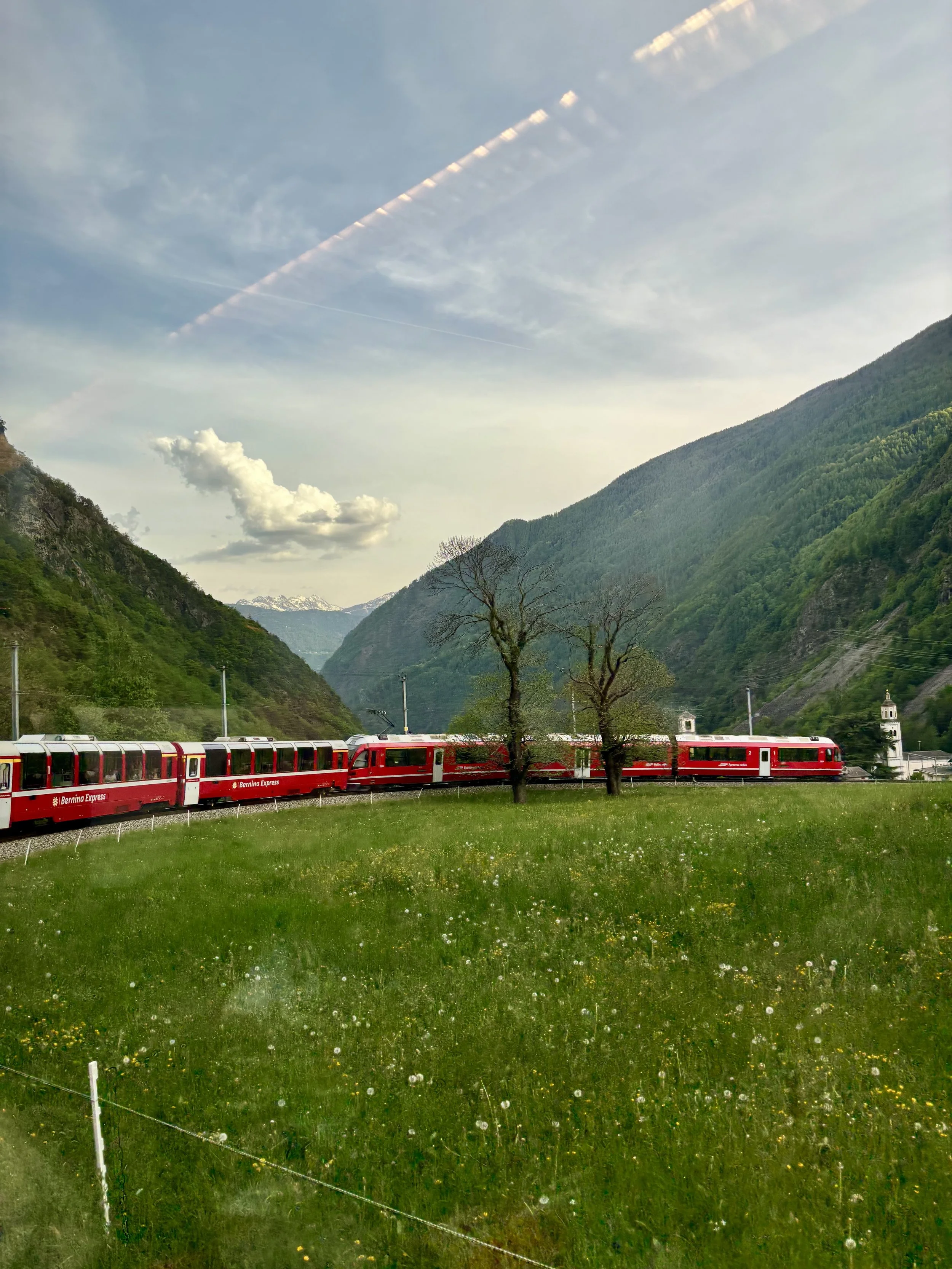
Train times and seating options onboard The Bernina Express
The train runs once daily in each direction on the full route between Chur and Tirano in winter, and twice daily in summer. There are additional services running between St.Moritz and Tirano, so it's best to check the official timetable before you plan your trip.
You can choose between 1st Class and 2nd Class carriages, both offering the same large panoramic windows and both offering food options delivered to your seat. Similar to The Glacier Express, the 1st Class carriages have a 2 + 1 seating layout, while the 2nd Class carriages have a standard 2 + 2 seating layout.
I sat in 2nd Class on my journey on The Bernina Express and I have to admit there was a notable difference in noise levels compared to my experiences on The Glacier Express and The GoldenPass Belle Époque where I sat in 1st Class. It is worth noting that on The Bernina Express, there is commentary about key points of interest called out over the speakers, but given the noise levels in my carriage it was hard to hear this. Perhaps it was just my particular carriage which was loud, and others might have different experiences, but if I was going back I personally would pay the extra to upgrade.
Do you need a seat reservation for The Bernina Express?
Seat reservations are mandatory for The Bernina Express. You need both a valid ticket, or travel pass, and a seat reservation. Seat reservations cost CHF 32 for the shorter St.Moritz–Tirano route, or, CHF 40–44 for the full Chur–Tirano route, depending on the season (pricing as at July 2026). Reservations open in October for the year ahead and can be made directly through the official Rhaetian Railway’s website (www.rhb.ch), or, on the SBB app.
If your budget doesn't stretch to a seat reservation, or you fancy travelling a little more spontaneously, keep in mind that regular regional trains operate the same route with unreserved seating, available on a first-come, first-served basis with any valid ticket, or, rail pass. You won't get the onboard commentary of the Bernina Express, but you'll see exactly the same views for a fraction of the cost, and while regional trains do not have the panoramic windows, some of the older trains operating this route have windows which can be opened.
Bonus Tips for your journey on The Bernina Express
The Bernina Express is hugely popular so I suggest reserving your seat early to guarantee a window seat. For the best views of Lago Bianco, and, the Brusio Spiral Viaduct, I would sit on the right hand side of the train, travelling in the direction of Tirano.
On certain days there is a Bernina Express bus which connects Tirano in Italy with Lugano in Switzerland. This service is very limited though so I recommend checking the official Rhaetian Railway’s website before planning.
3) The GoldenPass Belle Époque
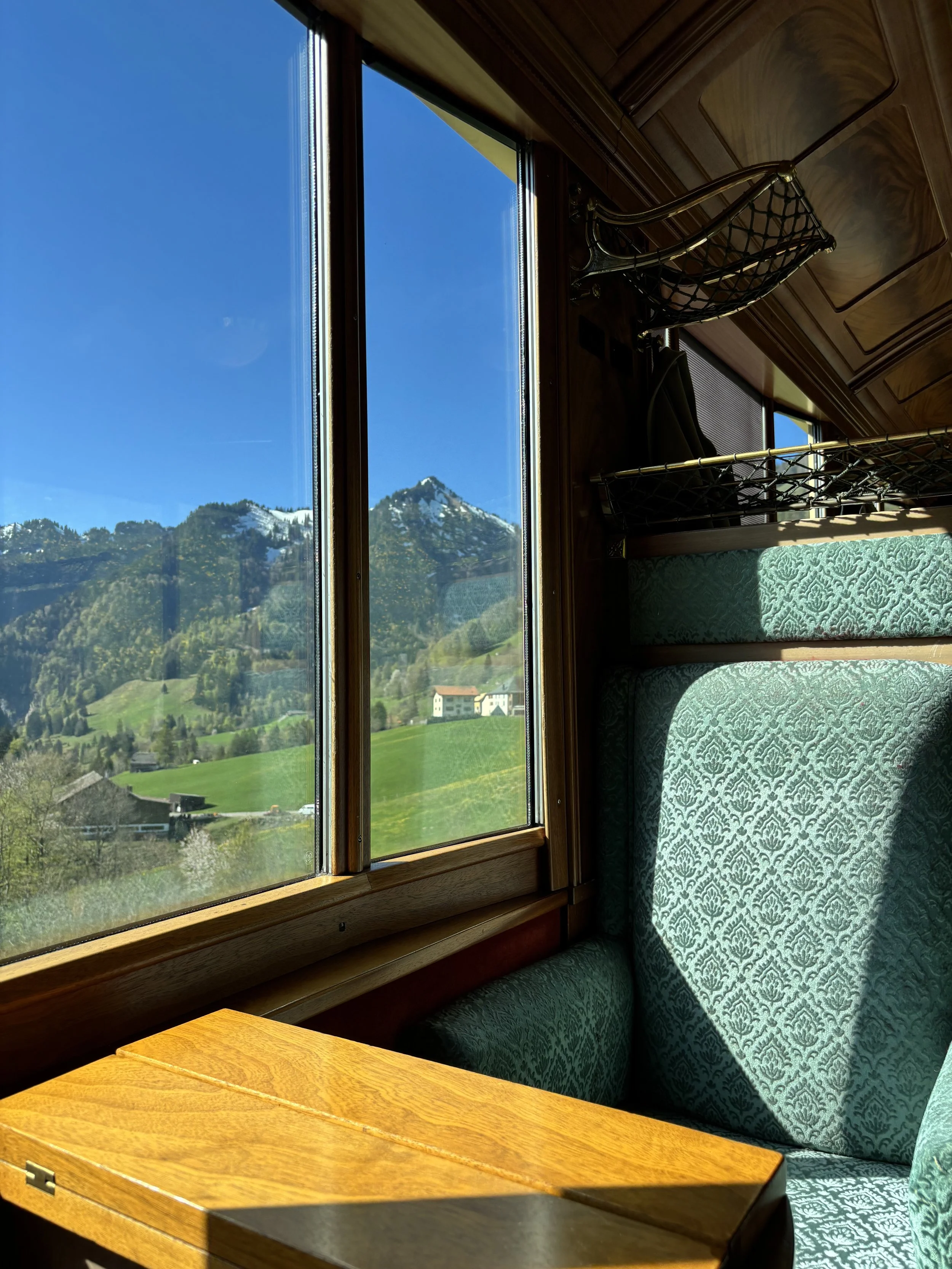
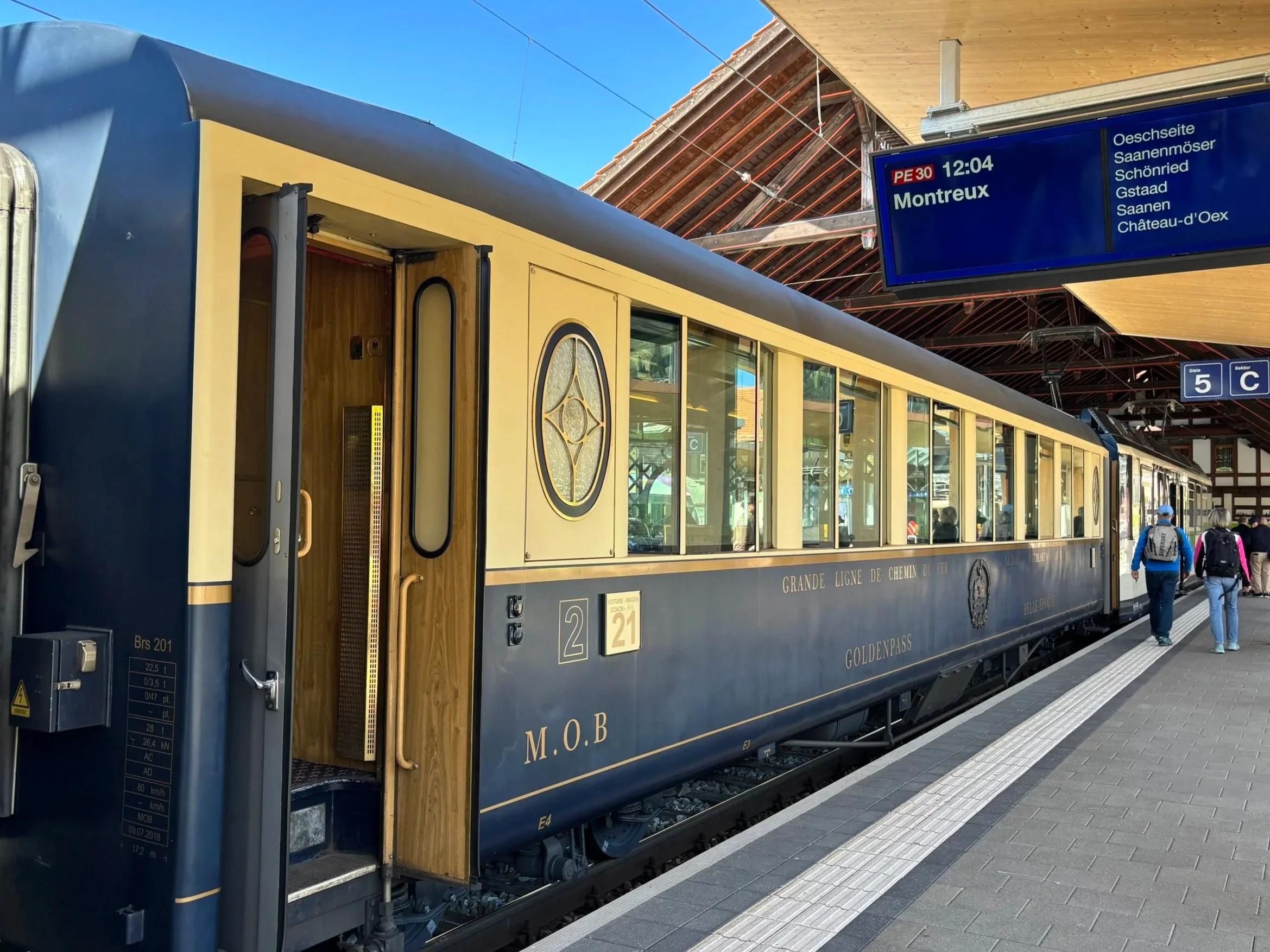
Step back in time to the golden age of rail travel onboard The GoldenPass relaxing in vintage Belle Époque carriages as you journey along Lake Geneva and through meadows and alpine landscapes.
Is the GoldenPass Belle Époque worth it?
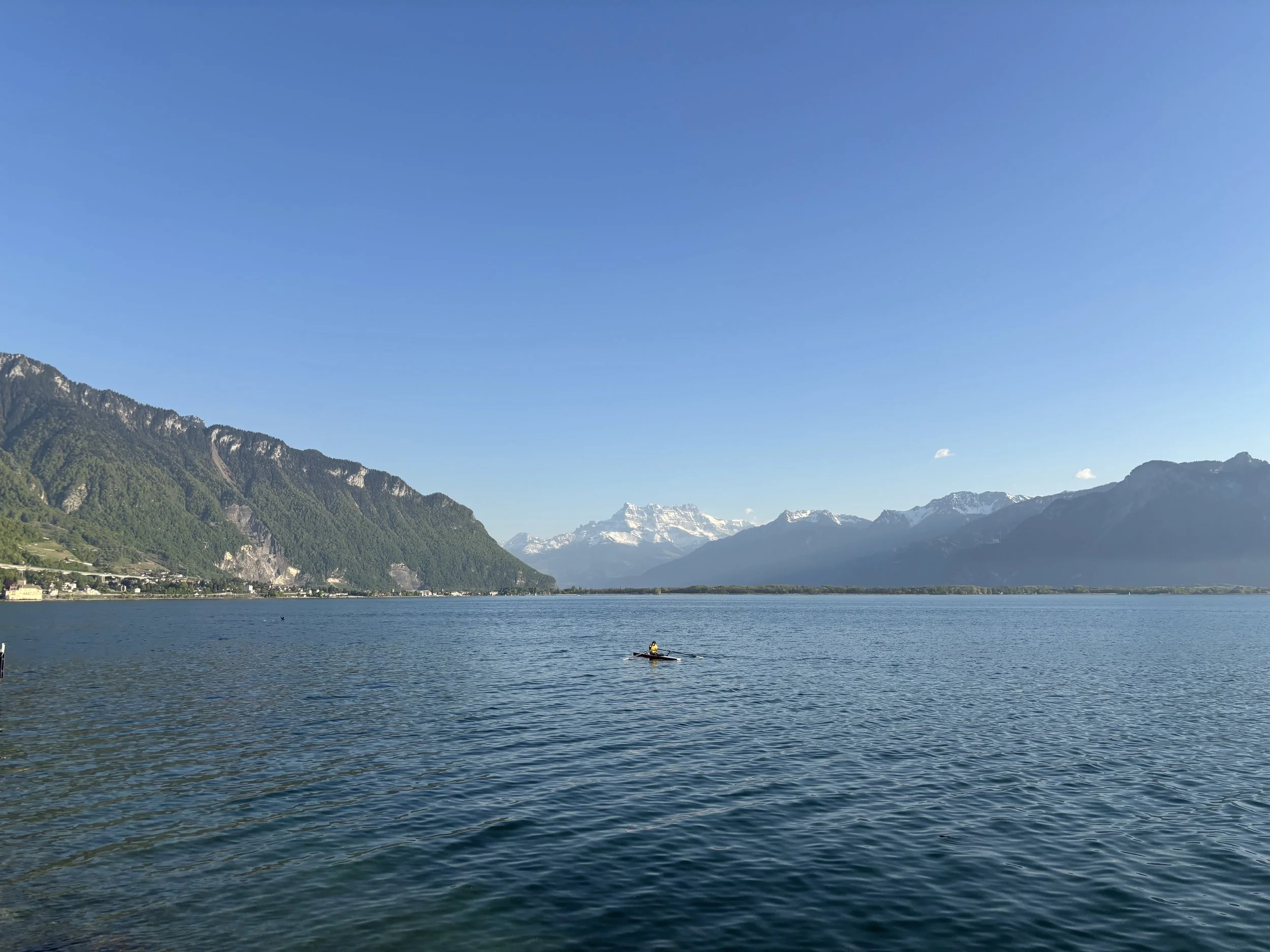
Connecting Montreux, a resort town on Lake Geneva, and Zweisimmen, a village in the Bernese Oberland, the train has a total travel time of 2 hours and 15 minutes. The train also stops at the popular resort town of Gstaad.
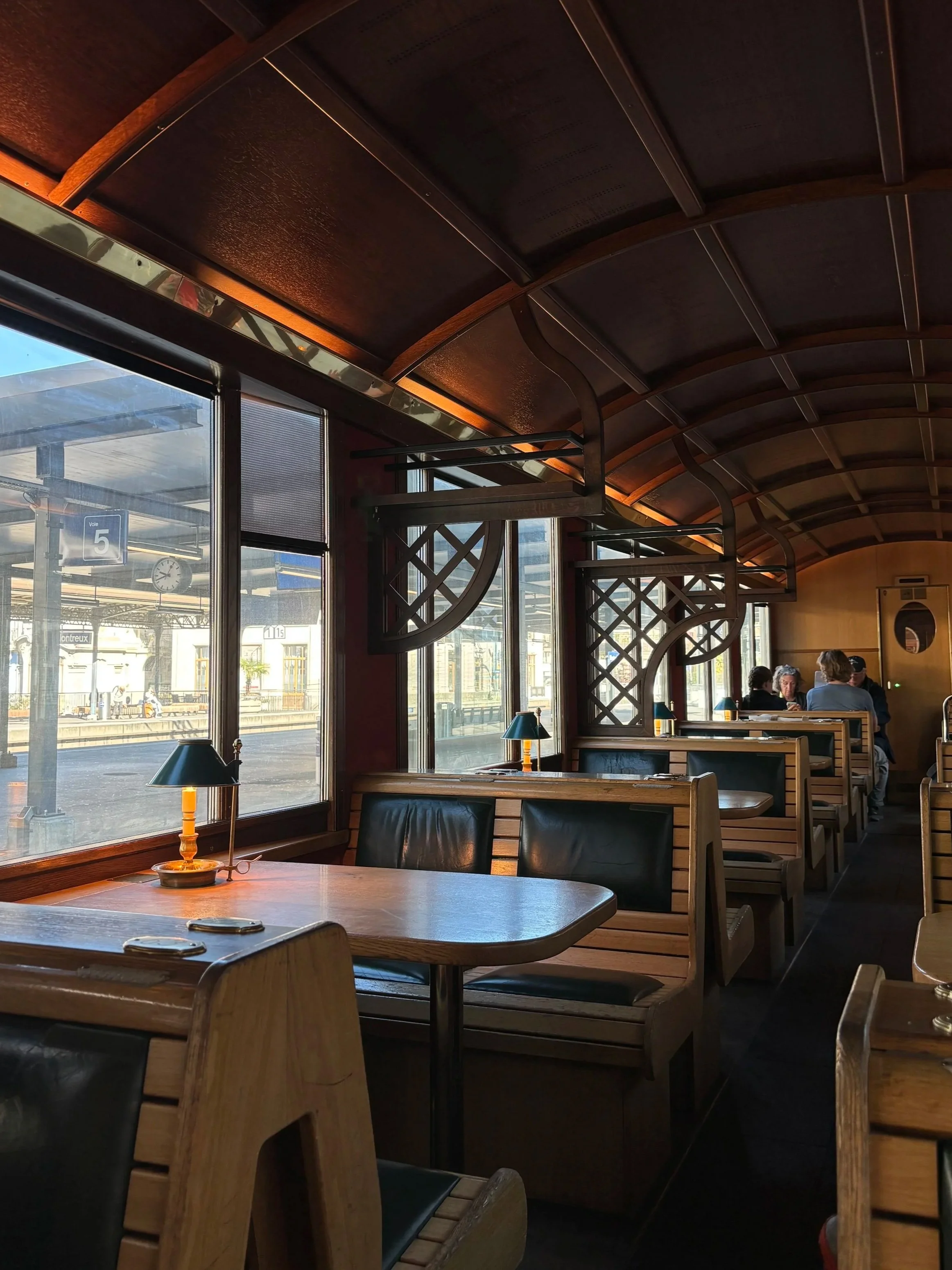
When travelling onboard the GoldenPass Belle Époque, the train itself, with it’s unique interiors, is a large part of the experience. It is an opportunity to enjoy slow travel in beautifully decorated vintage style carriages, while admiring the stunning Swiss scenery outside.
There are two different vintage styles on offer on the train, both with polished wooden interiors reminiscent of the early 1900s: one features luxury armchairs (as shown in the picture above), and, the other leans more into the art deco style with wooden seats, leather cushioning and lamps on each table (as shown in the picture below).
I would recommend travelling on the GoldenPass Belle Époque for the unique experience if your schedule allows, but if it doesn’t there are alternative trains operating the same route (see below for more information).
Which GoldenPass train to get if you want the Belle Époque experience?
It is important to note that not all GoldenPass trains operating on this route have the Belle Époque style carriages, so if you want to experience these carriages make sure you book and board the correct train. On the timetable the train will be called GoldenPass Belle Époque (not just GoldenPass Express, or, GoldenPass Panoramic).
Trains with the Belle Époque carriages currently operate twice a day in each direction, whereas the Panoramic and Express trains run more frequently. The GoldenPass Panoramic train operates the same route as the GoldenPass Belle Époque train, with the same travel time. Meanwhile the GoldenPass Express train continues on to Interlaken and is a faster train (approx. 1 hr 55 minute travel time between Montreux and Zweisimmen versus the 2 hour and 15 minutes on the GoldenPass Belle Époque and Express trains).
On my travels, I took the GoldenPass Belle Époque from Montreux to the train’s end destination in Zweisimmen. I spent a few hours wandering around the village and getting coffee before boarding a GoldenPass Express train to Interlaken, the gateway to many alpine adventure activities and onward Swiss travels.
Seating options onboard The GoldenPass Belle Époque
Both 1st Class and 2nd Class tickets are available. The 1st Class carriages feature the luxury armchairs, with a 2 + 1 seating arrangement. The 2nd Class carriages feature either the luxury armchairs, or, the art deco style seating, both in a 2 + 2 seating arrangement.
On this trip, I had an Interrail pass which covered my base ticket, but I chose to treat myself and buy a ticket upgrade to first class (for around CHF 12), to enjoy the journey and experience the unique train in a quieter atmosphere. That being said, I can also see the appeal of reserving a seat in an art deco carriage; the decision depends on personal preference and budget.
Ticket upgrades can be purchased on the SBB app or website, or, on the MOB (Montreux Oberland Bernois) website (www.mob.ch).
Do you need a seat reservation for the GoldenPass Belle Époque?
Seat reservations on this train are not required (unlike the Glacier Express and Bernina Express), but they are recommended, especially since not all carriages on the train are in the Belle Époque style. These can be made on the MOB website and cost CHF 10, at the time of writing.
Bonus Tip for your journey on the GoldenPass Belle Époque
I would suggest sitting on the left side (travelling in the direction of Zweisimmen) for the best views of the valleys and mountains. However, the right side has Lake Geneva views at the start of the journey. Ultimately, both sides offer spectacular views, changing along the way.